
Vertical Form Fill Seal Machine (VFFS): The Definitive Engineering & Global Procurement Guide
An authoritative operational blueprint for enterprise packaging engineers, operations executives, and procurement directors evaluating modern VFFS machinery, dosing integration, film seal mechanics, and total cost of ownership (TCO).
Deconstructing the Vertical Form Fill Seal (VFFS) Procurement Landscape
Selecting an automated packaging route requires navigating real machine mechanics, raw material interactions, and production line efficiency metrics—moving far beyond simple theoretical speeds.
In modern industrial packaging operations, the Vertical Form Fill Seal Machine (VFFS) remains the operational backbone for continuous high-speed flexible pouch production. By converting flat rollstock flexible film into a formed pouch, dosing a measured quantity of solid, powder, granule, or liquid product vertically, and hermetically sealing the resulting package in a single continuous or intermittent motion cycle, VFFS systems deliver unmatched cost-efficiency per packed unit.
However, global procurement teams frequently face systemic pitfalls when evaluating VFFS machinery suppliers. OEM proposals often cite theoretical "dry-cycle maximum speeds" achieved without actual product in the hopper, present vague utility requirements, or omit essential integration subsystems such as thermal transfer coding, dust extraction, film edge alignment, and downstream inspection. At Spartan Machine Co., Ltd., our engineering ethos rejects speculative marketing metrics. Every operational parameter we publish is tied directly to named product bulk densities, film thermal properties, and verified fill weights.
This technical guide provides the exact engineering methodology, material compatibility metrics, and future-proofing criteria required to procure, integrate, and scale VFFS packaging lines effectively under real-world factory conditions.
Core Mechanical Engineering & Operational Mechanics of VFFS
Understanding how rollstock unwind, forming collar physics, and servo-synchronized sealing drive Overall Equipment Effectiveness (OEE).
A high-performance Vertical Form Fill Seal system operates as a tightly synchronized mechatronic ecosystem. The machine cycle executes five distinct primary continuous operations in milliseconds:
Flat rollstock film is mounted on a pneumatic expanding spindle. Servo-driven friction rollers unwind the film, while a mechanical dancer arm assembly maintains constant web tension, preventing film snapping or tracking skew during acceleration bursts.
The flat film is drawn over a precision-machined 3D stainless steel forming collar (former). The collar geometry folds the flat web into a continuous cylindrical tube over the vertical fill pipe without introducing stress wrinkles or stretching the film substrate.
The overlapping vertical edges of the film tube are sealed longitudinally. A heated vertical seal bar or continuous thermal belt presses the film layers together, melting the inner sealant layer (e.g., PE or CPP) to create a robust vertical fin seal or flat lap seal.
Servo Pull Belts and Sealing Jaw Dynamics
Once the film tube is formed, dual servo-driven friction pull belts grasp the outer sides of the film tube against the forming pipe. The precise indexing of these belts determines bag length with sub-millimeter accuracy, guided by registration eye-mark photo-sensors reading optical tracking marks printed on the film.
Simultaneously, the horizontal cross-sealing jaws cycle horizontally. These jaws perform two critical tasks: forming the bottom seal of the incoming top pouch, forming the top seal of the completed lower pouch, and actuating a pneumatically or mechanically driven guillotine knife to separate the two. In intermittent VFFS systems, film movement pauses briefly during horizontal jaw closure; in continuous-motion VFFS machines, the jaw assembly travels vertically alongside the moving film tube, maximizing throughput for fragile or free-falling products.
Product Recommendations: Matching VFFS Dosing to Material Rheology
Selecting the correct dosing interface based on particle size, flowability, bulk density variations, and liquid viscosity.
A VFFS machine is only as precise as its integrated dosing system. Matching the correct filler to product rheology directly governs fill accuracy, dust management, seal cleanliness, and target line speed. Below is the primary machine route selection matrix recommended by Spartan Machine Co., Ltd. engineering teams:
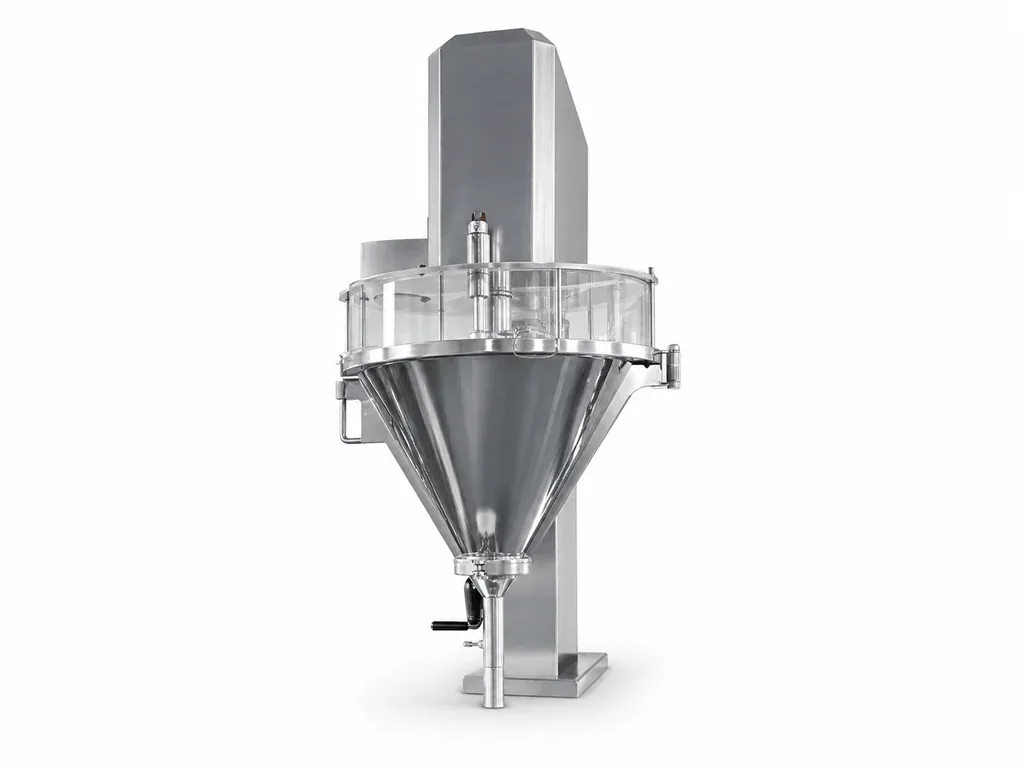
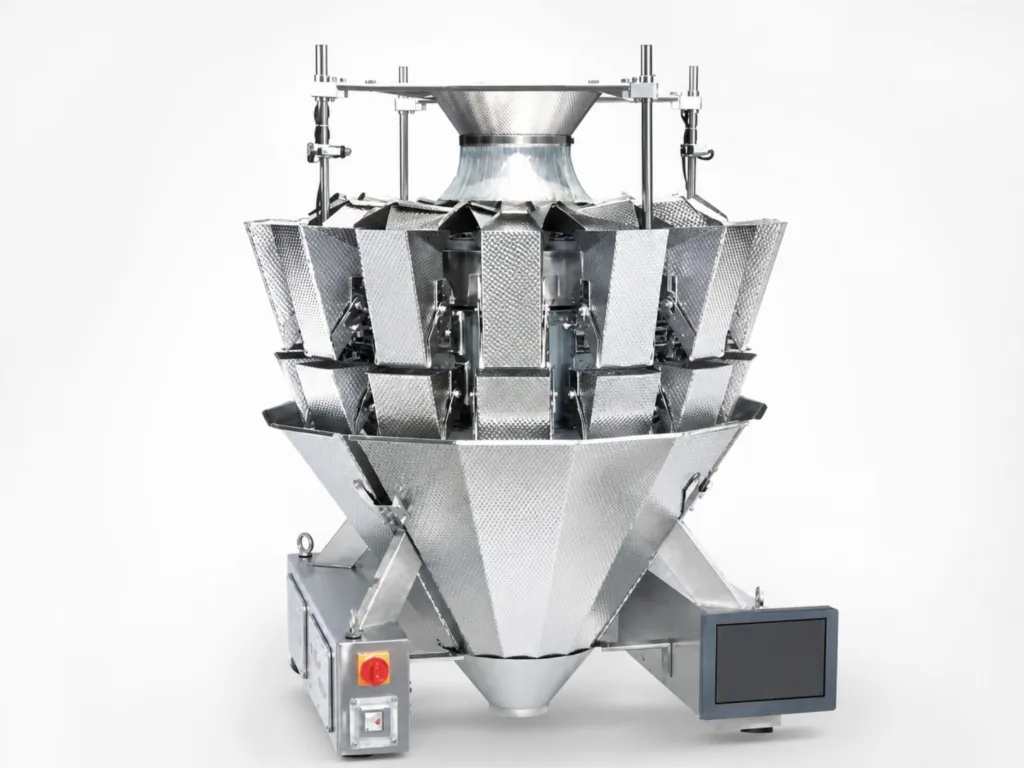
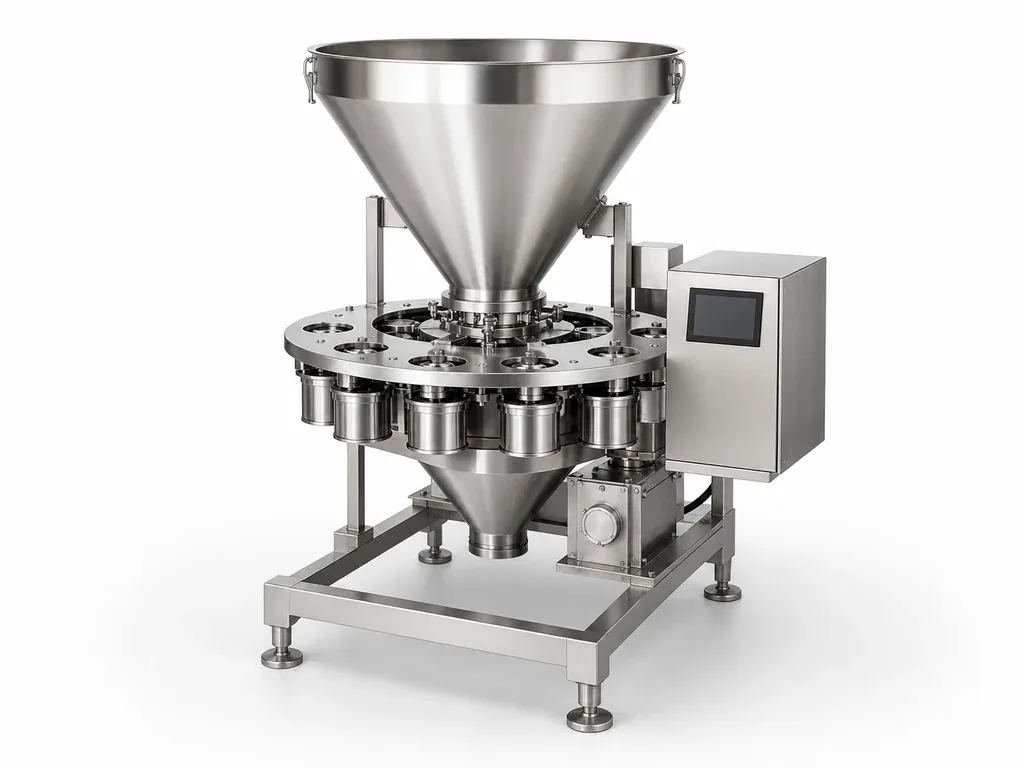
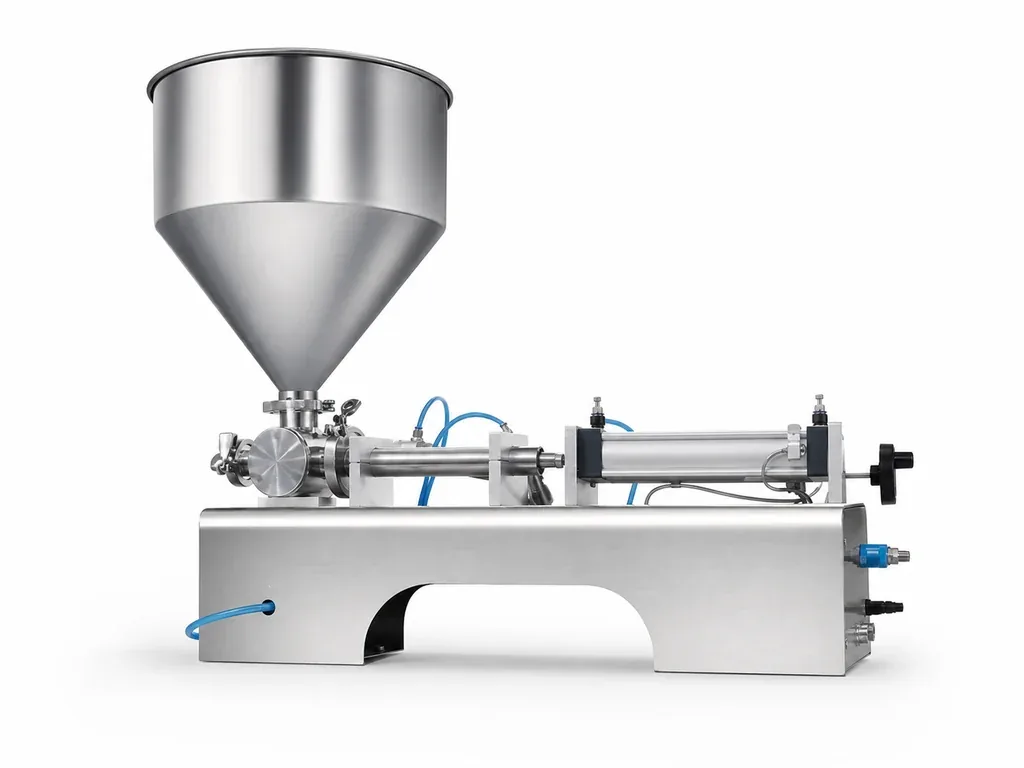
| Product Category | Material Characteristics | Recommended Dosing System | Optimal VFFS Seal Jaw Type | Typical Throughput Range |
|---|---|---|---|---|
| Fine Powders | Dusty, non-free-flowing, compressible (e.g., protein powder, spices) | Servo Auger Filler with vacuum dust extraction | Constant Heat with Sponge Air Evacuation or Dust Deflector Jaws | 30 – 70 bags/min |
| Granules & Solids | Irregular shapes, fragile, discrete particles (e.g., chips, nuts, hardware) | Multihead Combination Weigher (10–24 Head) | Servo-Actuated High-Speed Jaw Assemblies | 50 – 140 bags/min |
| Uniform Grains | Free-flowing, consistent bulk density (e.g., white sugar, rice, salt) | Volumetric Telescopic Cup Filler | Pneumatic or Servo Standard Cushion Jaws | 40 – 90 bags/min |
| Liquids & Pastes | Viscous, sticky, or liquid phase (e.g., ketchup, oil, cosmetics, water) | Piston Pump / Rotary Lobe Pump with Blow-back Nozzle | Liquid Squeeze Jaws with Anti-splash Cut-off | 25 – 60 bags/min |
Mitigating Powder Contamination in Heat Seals
When packing fine powders, airborne particulate settling on the lower seal area of the film tube is the leading cause of leakers and compromised pouch integrity. Spartan Machine Co., Ltd. overcomes this engineering challenge by implementing synchronized vacuum dust extraction collars directly around the forming tube, combined with continuous impulse air jets that purge airborne dust milliseconds before the horizontal seal jaws close.
Future Procurement Trends in Vertical Packaging Automation (2026–2030)
Analyzing shifts toward monomaterial recyclable films, smart IoT telemetry, toolless changeovers, and energy efficiency.
Monomaterial & Recyclable Film Processing
Global regulatory mandates are phasing out hard-to-recycle multi-layer structures (such as PET/ALU/PE) in favor of recyclable monomaterials like 100% Polyethylene (PE) or Polypropylene (PP). Monomaterial films possess extremely narrow thermal sealing windows and melt quickly under excessive heat. Modern VFFS platforms incorporate real-time PID temperature control loop feedback alongside ultrasonic sealing technologies that weld film layers via targeted acoustic friction without overheating adjacent film layers.
Smart IoT Telemetry & OEE Analytics
Modern VFFS buyers no longer accept isolated control cabinets. Next-generation packaging machines feature native OPC-UA and MQTT communication protocols, streaming real-time operational data to enterprise MES and ERP platforms. Operational parameters such as film tension variances, heater cartridge degradation, cycle times, and seal pressure graphs are monitored continuously, allowing predictive maintenance alerts to trigger days before mechanical component failures occur.
Rapid Toolless Changeovers & Modular Formers
As SKU proliferation increases, contract packagers and food manufacturers require rapid transitions between bag widths and formats. Future-ready VFFS machinery eliminates bolted mechanical adjustments. Rapid-release forming tube assemblies, quick-change film rolls with pneumatic splice tables, and motor-adjusted film tracking reduce total changeover downtime from 45 minutes down to less than 10 minutes.
All-Servo Actuation Over Pneumatics
Legacy VFFS machines relied heavily on pneumatic cylinders for jaw actuation and film pulling, consuming substantial compressed air and producing acoustic noise. Contemporary packaging line engineering favors direct-drive servo actuation across all axes. Servo drives reduce plant energy consumption by up to 35%, provide programmable force feedback to prevent product crushing between seal jaws, and guarantee repeatable cycle dynamics over millions of operating hours.
The Spartan Machine Co., Ltd. Advantage: Built for Factory Floors
Excellence engineered into every frame, component selection, assembly protocol, and pre-shipment factory acceptance test.
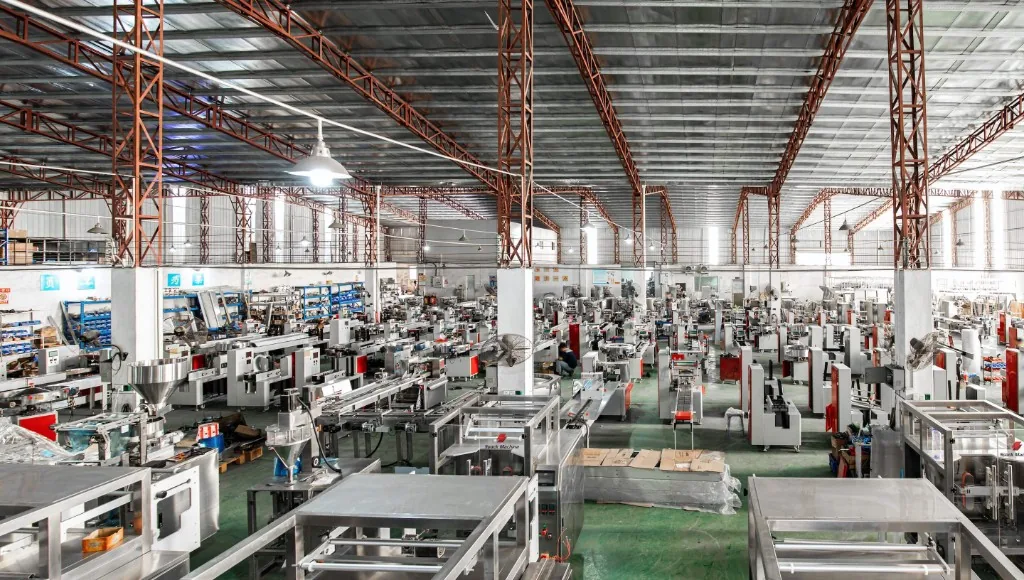
Precision Craftsmanship from Engineering to Execution
Located in the heart of industrial manufacturing excellence, Spartan Machine Co., Ltd. designs and fabricates commercial-grade VFFS machines tailored to aggressive multinational production environments. Our heavy-duty SUS304/SUS316 stainless steel machine frames undergo stress-relieving machining to prevent frame distortion over decades of vibration-heavy operation.
Tier-1 Global Component Integration
We do not compromise machine longevity by utilizing generic unbranded electrical or pneumatic components. Every VFFS system built by Spartan Machine Co., Ltd. integrates globally standardized, off-the-shelf control components, guaranteeing that replacement parts can be sourced locally in virtually any global market within 24 hours.
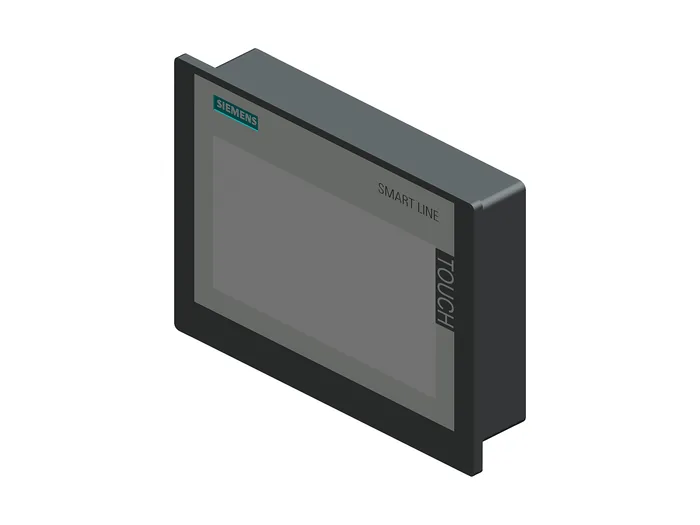 SiemensMulti-touch HMI Operator Interface
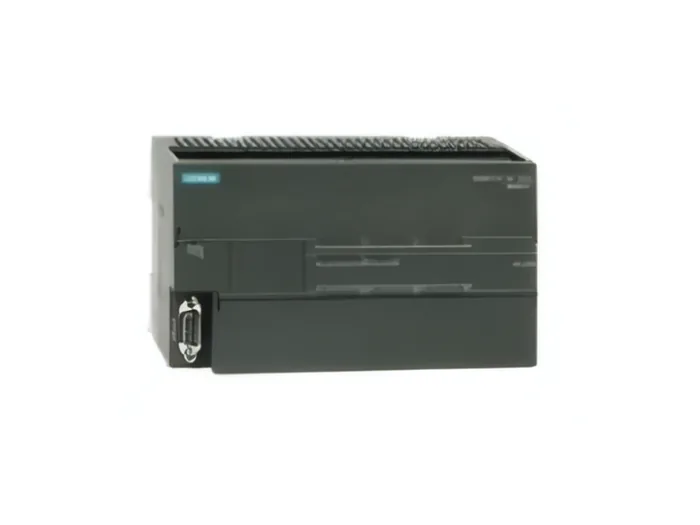 SiemensS7-1500 Series Motion PLC
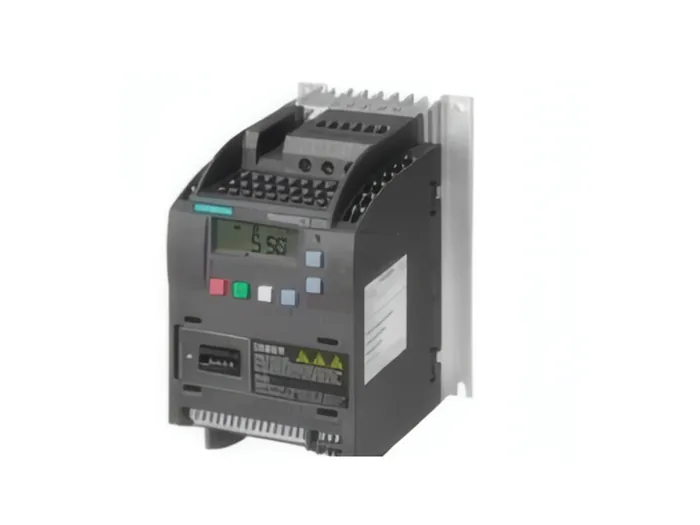 SiemensSinamics Servo Drives & Motors
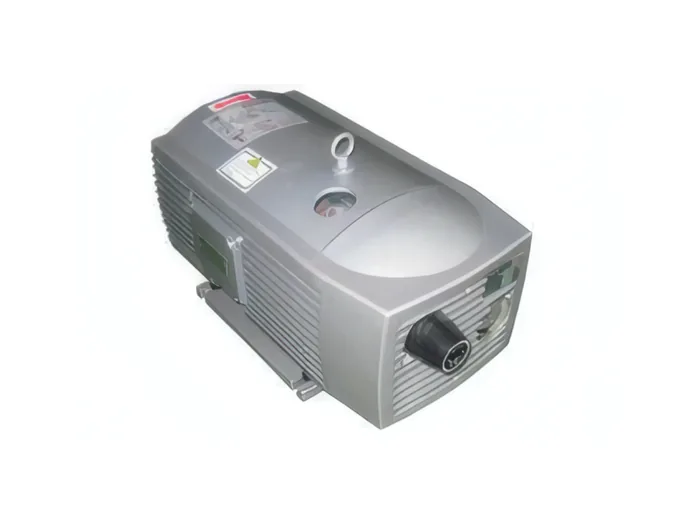 BeckerDry Rotary Vane Vacuum Pumps
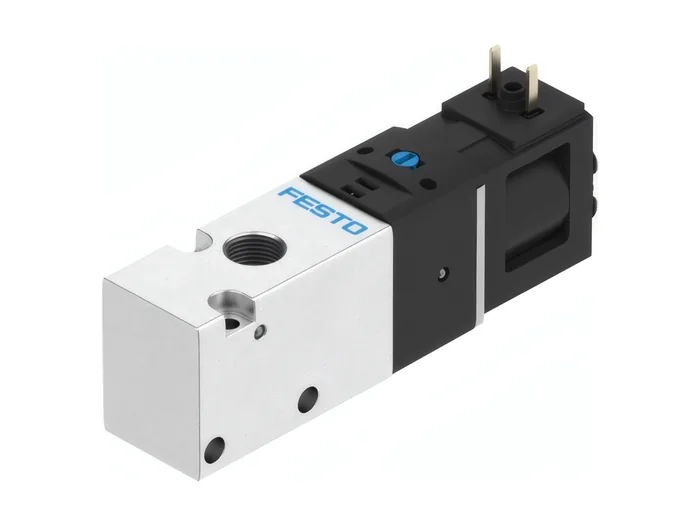 FestoValve Manifolds & Cylinders
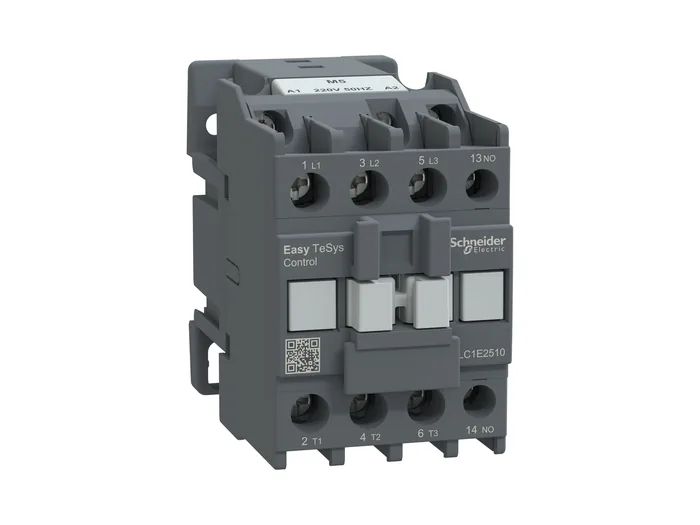 Schneider ElectricLow-Voltage Protection Systems
Frequently Asked Questions on VFFS Machinery Purchasing
Addressing critical engineering, operational, and commercial questions asked by international packaging buyers.
How do I calculate actual production speed (BPM) versus theoretical dry-cycle rates for a VFFS machine?
Theoretical dry-cycle speed represents the mechanical velocity limit of the machine running empty without product, film, or thermal heat transfer constraints. Real production speed (Bags Per Minute - BPM) is determined by five physical parameters:
- Product Settling Velocity: The time required for product to fall completely through the forming tube into the pouch bottom before horizontal jaws close.
- Bulk Density Variances: Light, aerated powders take significantly longer to settle than heavy, dense granules.
- Sealing Dwell Time: Thicker films require longer jaw pressure duration to achieve thermal fusion.
- Bag Length: Longer pouches require more film feeding duration per cycle.
- Gas Flushing Requirements: Modified Atmosphere Packaging (MAP) adds cycle dwell time for nitrogen displacement.
Spartan Machine Co., Ltd. never quotes generic dry-cycle speeds. When you provide your product sample, fill weight, bag dimensions, and film specs, we issue a contractually binding operational BPM specification based on empirical factory testing.
What film structures work best on VFFS machines and how do monomaterials alter sealing performance?
VFFS machines process heat-sealable flexible films, including laminated structures (PET/PE, PET/ALU/PE, BOPP/CPP, Nylon/PE) and modern eco-friendly monomaterial films (100% PE or 100% PP).
Traditional multi-layer laminates feature a wide thermal sealing window (often ±15°C margin), making them robust under basic temperature control. Conversely, recyclable monomaterials have a narrow sealing window (±3°C). Excess heat causes instant film burn-through or stretch deformation, while insufficient heat results in total seal failure. Spartan Machine Co., Ltd. outfits monomaterial-dedicated VFFS lines with precision impulse sealing jaws or ultrasonic welding systems, maintaining strict thermal accuracy across fluctuating line speeds.
How does Spartan Machine Co., Ltd. prevent film tracking errors during high-speed VFFS operation?
Film tracking skew (web drift) occurs when a film roll is unevenly wound, improperly spliced, or subjected to lateral movement during rapid unwind acceleration. Uncorrected drift results in misaligned vertical seams, improper bag sizing, and machine jamming.
Our VFFS machines feature an active automatic electro-optical edge alignment system. Dual infrared edge sensors detect web displacement down to 0.1mm, triggering an immediate motorized lateral adjustment of the entire film unwind spindle. Combined with pneumatic auto-tension balancing rollers and twin servo-driven friction pull belts, web tracking remains aligned continuously throughout long production shifts.
What items are typically excluded from baseline VFFS packaging machine quotations?
In the machinery industry, baseline quotes often present low initial capital expenditure figures by excluding vital operational subsystems. Common omitted items include:
- Upstream automated raw material elevators (Z-bucket elevators or screw feeders).
- Downstream takeaway conveyors and rotary collection tables.
- Inline date/lot coding systems (Thermal Transfer Overprinters or Continuous Inkjet Coders).
- Inline inspection systems (Checkweighers, Metal Detectors, X-ray scanners).
- Nitrogen gas flushing manifolds and vacuum pumps.
- Forming tube changeover assemblies for secondary bag widths.
Spartan Machine Co., Ltd. provides fully itemized commercial proposals. Every quote cleanly separates base machine mechanics, dosing units, auxiliary accessories, and utility interface requirements, ensuring zero unexpected costs during site integration.
What is the maintenance cycle and lifetime wear item replacement schedule for a VFFS system?
VFFS machines require structured preventive maintenance to ensure high OEE. Recommended service intervals include:
- Daily (8 Hours): Wipe clean sealing jaw faces, check vacuum pull belt cleanliness, inspect film eye-mark sensor lens.
- Weekly (40 Hours): Inspect Teflon tape insulating covers on heating jaws; lubricate linear guide bearings; check pneumatic filter water traps.
- Monthly (160 Hours): Check servo pull belt wear and tension; inspect heater cartridge resistance profiles; verify safety interlock switches.
- Annual (2000 Hours): Replace mechanical seal jaw springs, vacuum suction tubing, pneumatic cylinder seals, and main drive belts.
Every Spartan Machine Co., Ltd. system ships with a recommended 12-month consumable spare parts kit (Teflon tapes, heater cartridges, thermocouples, blades, pull belts) for immediate factory store availability.
How are international technical support, spare parts delivery, and warranty obligations managed overseas?
Spartan Machine Co., Ltd. guarantees comprehensive international support for all exported machinery lines:
- Warranty Coverage: All equipment is covered by a 12-month warranty commencing from the date of physical receipt at your facility. Any component exhibiting manufacturing defects is replaced free of charge. Freight charges for replacement parts are borne by the buyer.
- Remote Technical Diagnostics: Modern control architectures feature secure VPN router modules. Our senior controls engineers can log into your PLC software remotely to adjust parameters, resolve operational fault codes, and update motion profiles in real-time.
- Onsite Commissioning & Handover: When requested, Spartan Machine Co., Ltd. dispatches field technicians for site erection, electrical integration, FAT verification, and local operator training. Service fees, travel fare, and lodging are defined transparently under contract terms.
Ready to Optimize Your Vertical Packaging Line?
Contact the engineering team at Spartan Machine Co., Ltd. today. Submit your product specifications, target fill weights, pouch dimensions, and desired throughput (BPM) to [email protected] for an itemized technical evaluation and custom line configuration.