Technical Engineering & Procurement Masterclass

Auger Filler Powder Packaging Machine: Technical Selection Guide, Precision Mechanics & Global Procurement Benchmarks

From fine bulk density powder dynamics to servo-driven dosing accuracy and automated bag-forming routes—this technical blueprint details how Spartan Machine Co., Ltd. engineers automated auger packaging solutions tailored for global food, pharmaceutical, and chemical procurement managers.

Dosing Fundamentals

Deconstructing the Auger Filler Powder Packaging Machine: Dosing Physics & Flow Dynamics

Dosing fine powders into flexible packaging requires balancing bulk density variables, particle friction, and airborne dust. An Auger Filler Powder Packaging Machine uses a precision-machined vertical screw to displace volumetric powder charges into formed bags, premade pouches, or containers.

In automated industrial packaging, powder dosing represents one of the most complex mechanical challenges. Unlike liquid packaging—where density remains constant under controlled temperature—powders compress, aerate, bridge, and clump. The primary function of an Auger Filler Powder Packaging Machine is to convert unstable bulk powder into highly consistent, repeatable weight charges at high cycle speeds.

At Spartan Machine Co., Ltd., our engineering team categorizes powder behavior based on two core mechanical states: non-free-flowing powders and free-flowing powders. Understanding the physical distinction between these powder states is the single most critical factor in specifying your packaging machine configuration.

Powder Behavior Matrix: Non-Free-Flowing vs. Free-Flowing

Non-Free-Flowing Powders (e.g., Whey Protein, Infant Formula, Wheat Flour, Matcha Powder): These powders exhibit high cohesive forces between particles, tending to interlock, form bridges over funnel throats, or tunnel straight through hoppers. They require continuous motorized agitation to shear the powder matrix, alongside specialized spinner discs or flap valves at the discharge nozzle to prevent gravitational dripping after screw rotation stops.

Free-Flowing Powders (e.g., Table Salt, Fine Sugar, Granular Instant Coffee, Chemical Powders): These powders flow readily under gravity. Without mechanical flow cut-offs, free-flowing powders will dribble past the auger flights, causing severe overfilling and seal contamination. They require clam-shell gates, pneumatic cut-off valves, or double-disc cut-offs to seal the funnel tip between index cycles.

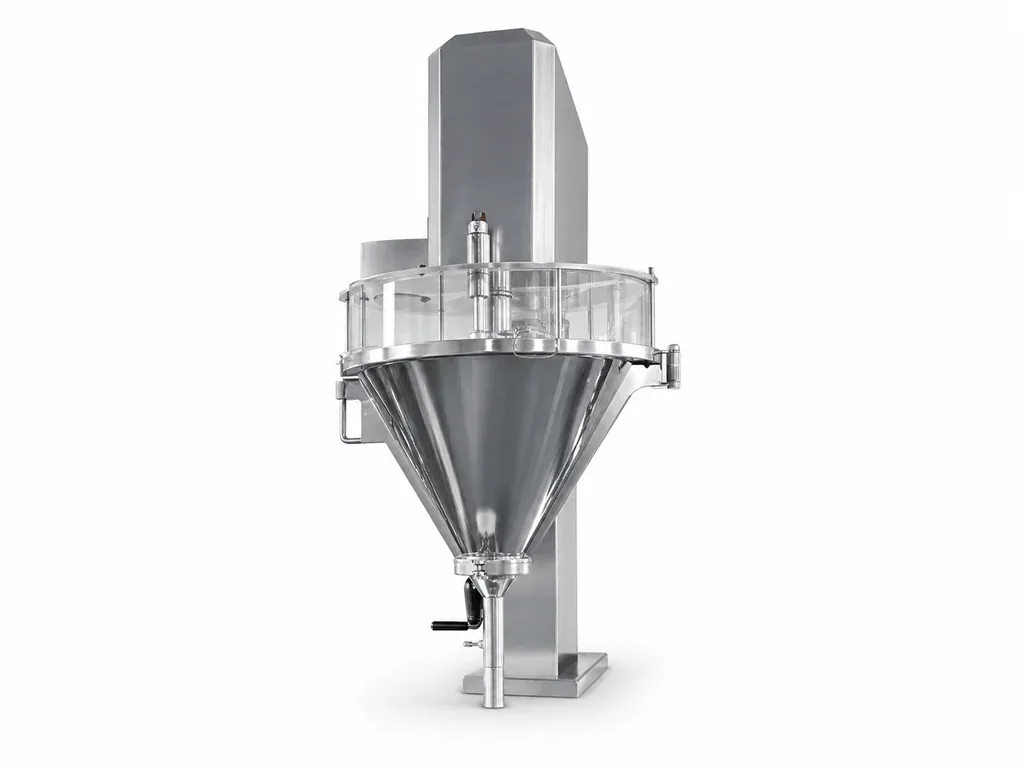
Auger filler for powder dosing on packaging machine
Powder · Servo-Driven Auger HeadDirect drive servo coupling eliminates belt backlash, delivering 0.01-revolution rotary precision.
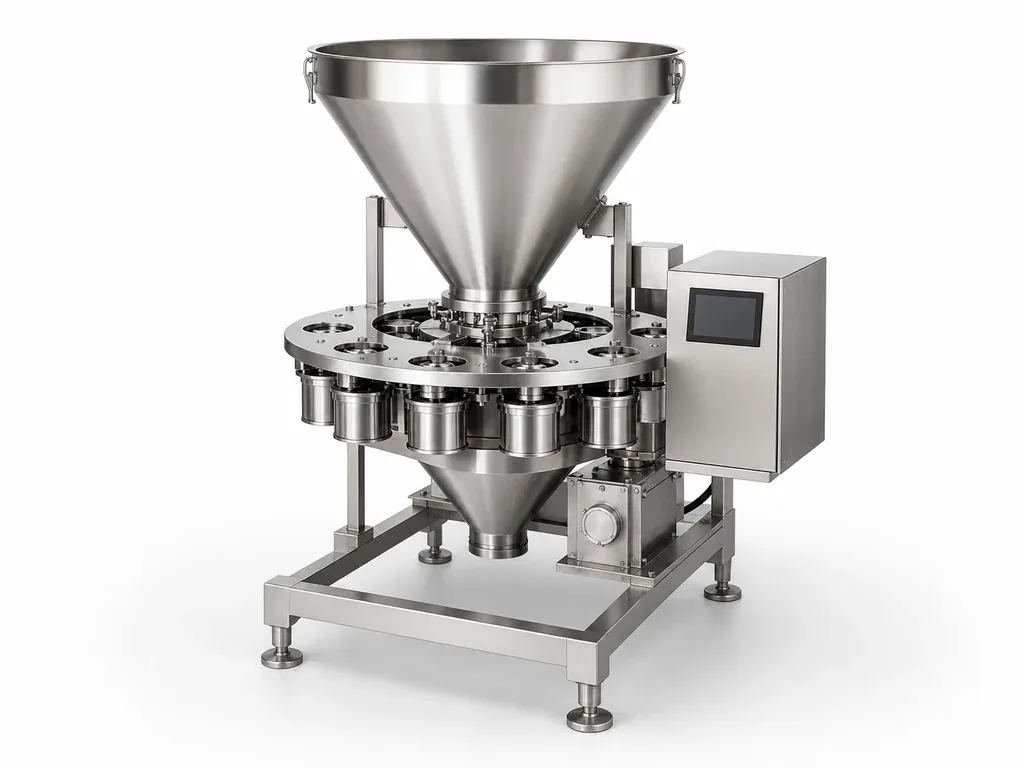
Integrated Checkweigher Feedback System
Downstream Quality ControlClosed-loop checkweigher communication dynamically recalibrates auger revolutions.
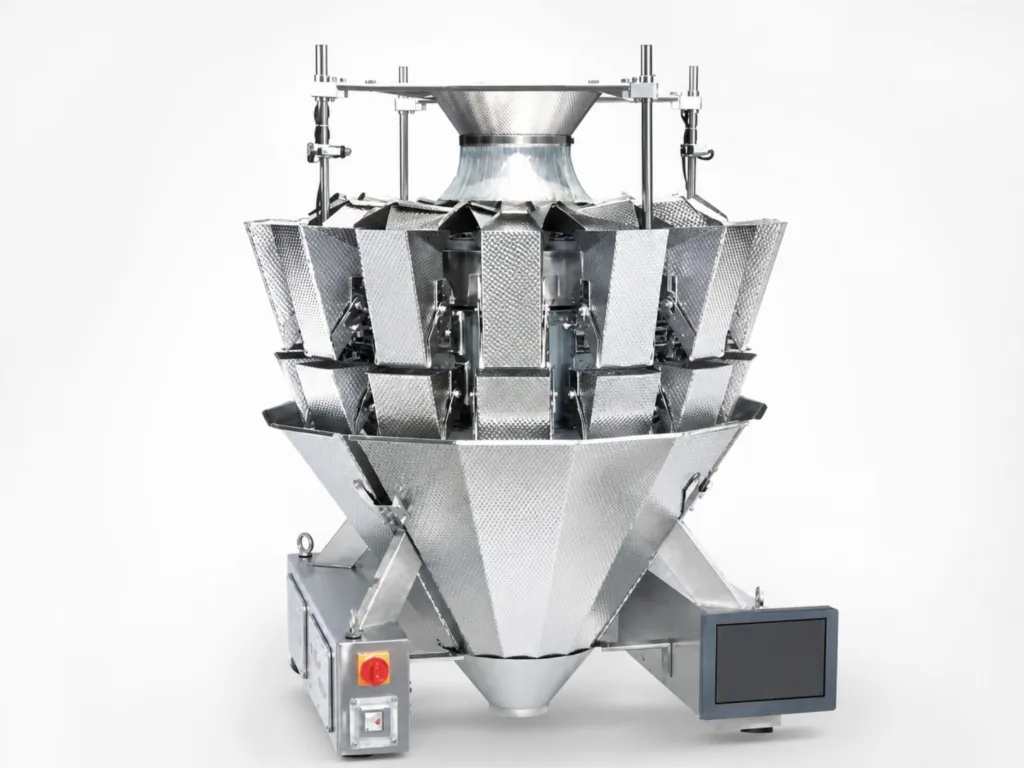
Comparison Dosing Unit
Alternative Volumetric DosingUsed for free-flowing coarse granules where particle breakdown is a risk.
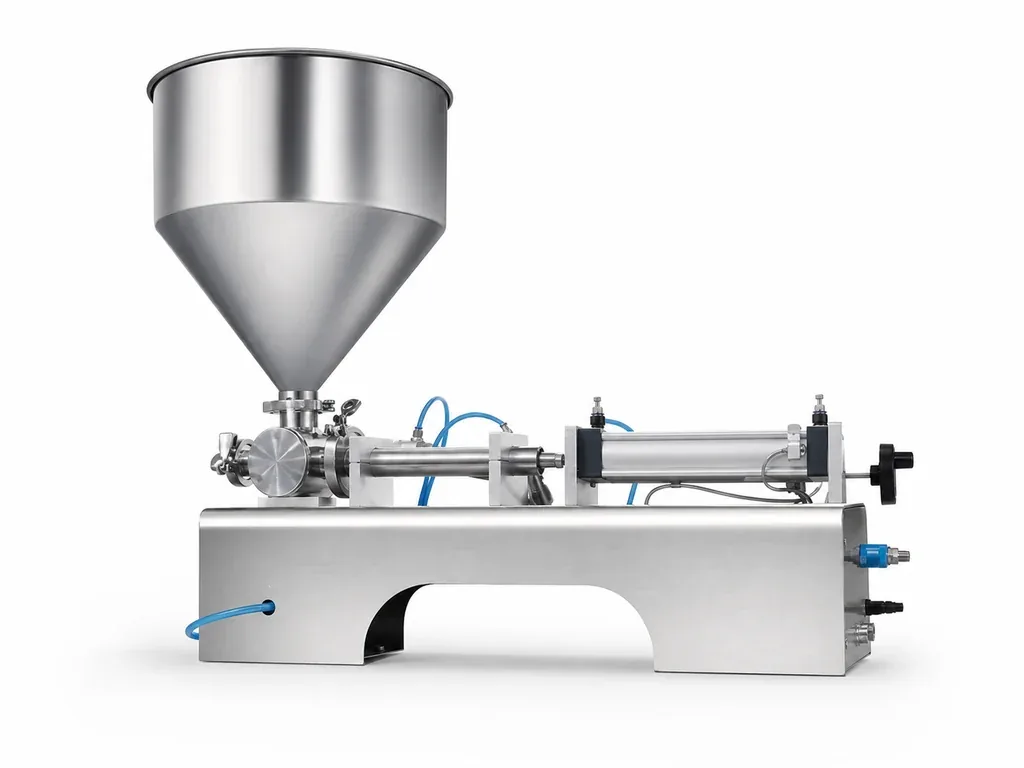
Suspension and Paste Filling Alternative
High Viscosity AlternativesPiston pumps applied for wet powder slacks and heavy paste applications.

Mathematical Volumetric Dosing Formula

The theoretical fill weight ($W$) generated by an auger filler per revolution cycle is defined by the physical geometry of the auger screw flighting and the powder's bulk density:

$$W = \rho \times V_f \times N \times \eta$$

Where:

  • $\rho$ (Rho): Apparent Bulk Density of the powder ($\text{g/cm}^3$).
  • $V_f$: Volumetric displacement volume per pitch flight of the auger screw ($\text{cm}^3$).
  • $N$: Total rotational revolutions (or pulse counts) executed by the servo motor per cycle.
  • $\eta$ (Eta): Volumetric filling efficiency coefficient (accounting for powder friction, air entrainment, and aeration state, typically ranging between $0.88$ and $0.98$).

Because $\rho$ fluctuates when powder head-level changes in the hopper or when powder settles over time, Spartan Machine Co., Ltd. builds closed-loop checkweigher feedback systems directly into our PLC software to adjust $N$ automatically, holding fill accuracy within tight margins ($\pm 0.3\%$ to $\pm 0.5\%$).

Equipment Routes

Auger Filler Powder Packaging Machine Line Architecture & Selection Models

Selecting the right machine architecture depends on your target package format, production speed requirements, and factory footprint. Explore our four recommended automated powder packaging lines below.

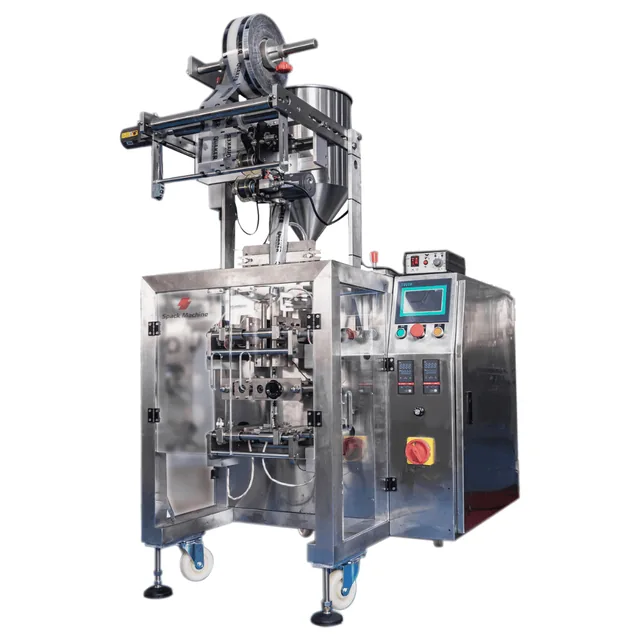
VFFS Auger Filler Powder Packaging Machine Line

Vertical Form Fill Seal (VFFS) Powder Auger Line

Best For: High-speed pillow bags, gusseted pouches, and quad-seal coffee/flour bags directly from continuous film rollstock.

Integrates a top-mounted servo auger head directly above a vertical bagger. Features vacuum pull belts, continuous or intermittent heat sealing jaws, and synchronized gas flushing for extended shelf life.

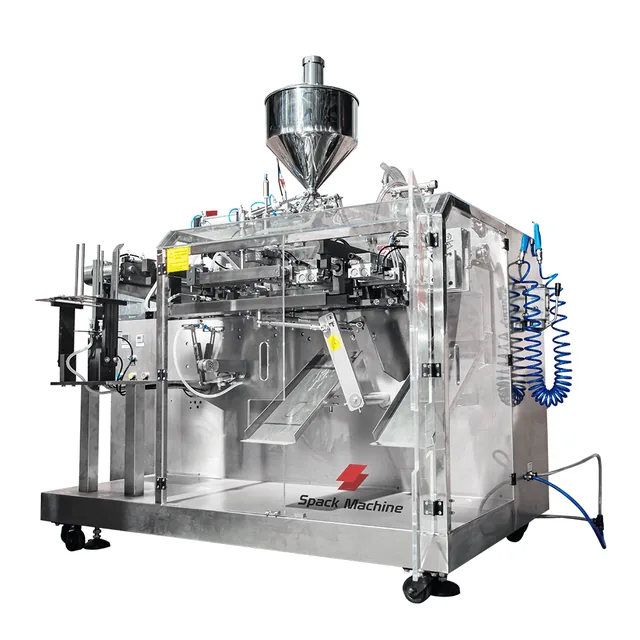
Rotary Premade Pouch Auger Powder Packaging Machine

Rotary Premade Pouch Auger Filling Machine

Best For: Premium Doypack stand-up pouches, zipper closure bags, flat bottom pouches, and pre-shaped side gusset bags.

An 8-station or 10-station rotary carousel automatically picks, opens, inflates, auger-fills, settles, zipper-closes, and heat-seals pre-printed bags with clean, attractive retail finishes.

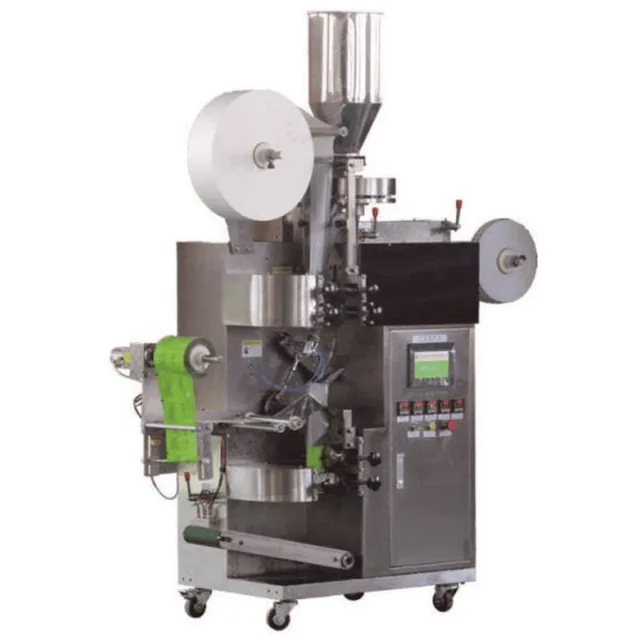
Multi-lane Stick Pack Auger Filler Machine

Multi-Lane Stick Pack & Sachet Auger Machine

Best For: Single-serve pharmaceutical powders, instant coffee sticks, collagen powders, and nutraceutical dietary sachets.

Configured with 4 to 12 parallel filling lanes driven by an integrated multi-shaft servo drive system. Delivers output speeds up to 480 sticks/min while retaining precise per-lane volume control.

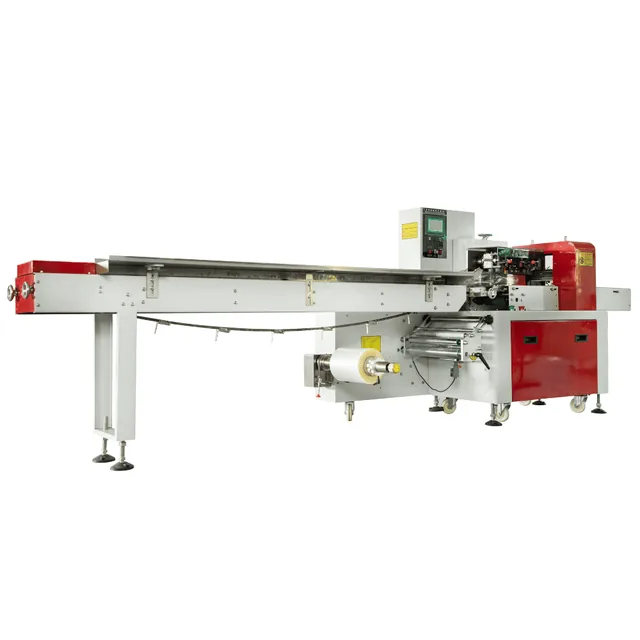
Bulk Bag Powder Auger Packaging Line

Bulk Bag & Rigid Container Auger Filler Line

Best For: Filling 5kg to 25kg bulk kraft bags, rigid plastic tubs, tins, and intermediate industrial powder totes.

Incorporates gross/net weight load cells, inflatable pneumatic bag clamps, and dual-speed (fast bulk fill / slow precision dribble fill) dosing logic to minimize dust generation and achieve exact net weights.

Architecture Route Dosing Range Speed Capability Target Pack Format Dosing Accuracy Key Engineering Feature
VFFS Auger Line 10g – 2500g 25 – 90 bags/min Pillow Bag, Gusset, Quad-Seal ±0.5% – ±1.0% Servo vacuum film pull & continuous dust hood
Rotary Premade Pouch Line 50g – 5000g 20 – 60 pouches/min Stand-up Doypack, Zipper, Spout ±0.3% – ±0.8% Mechanical pouch opener & top-seal dust blower
Multi-Lane Stick Pack 1g – 50g 120 – 480 sticks/min 3/4 Side Seal Sachet, Tubular Stick ±0.5% – ±1.2% Independent per-lane servo auger controllers
Bulk Bag Linear Line 5kg – 25kg 3 – 12 bags/min Kraft Open-Mouth Bags, Rigid Buckets ±0.2% Net Weight Bottom-up filling with load cell feedback lift
Why Spartan Machine

Enterprise Capabilities, Manufacturing Rigor & Rigorous Quality Control

With decades of direct OEM engineering expertise, Spartan Machine Co., Ltd. delivers high-performance packaging equipment engineered for high operational uptime and strict technical compliance.

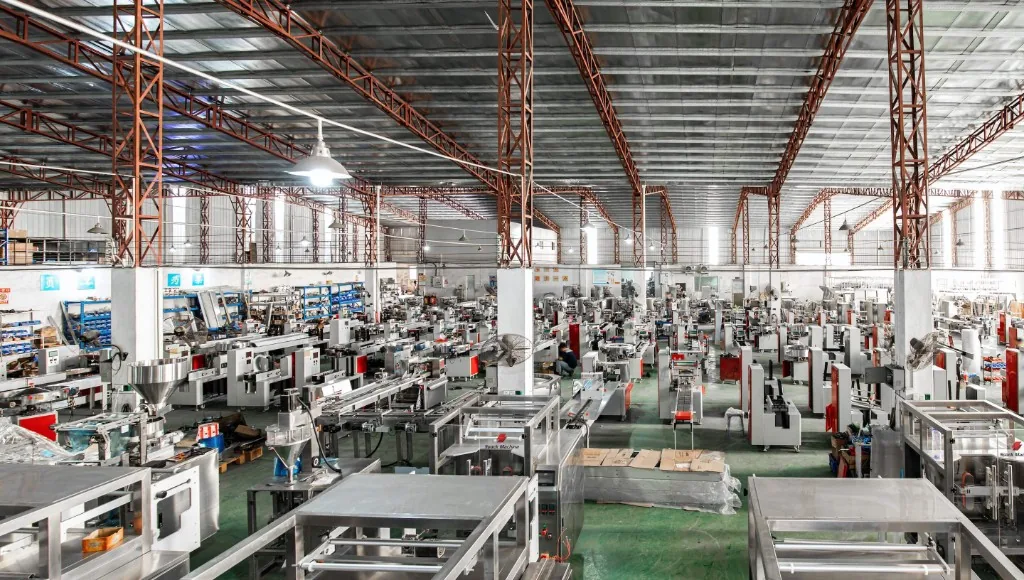
Spartan Machine Co., Ltd. Assembly Hall
Precision In-House Manufacturing

Assembled, Tested, and Proven Under One Roof

Unlike trading companies that white-label third-party components, Spartan Machine Co., Ltd. manages every stage of production—from raw stainless-steel sheet cutting and CNC auger flight machining to PLC programming, panel wiring, and 100% Factory Acceptance Testing (FAT).

100% In-House FAT CNC Machined Auger Screws IP65 Washdown Build Siemens / Festo Hardware
Global Engineering Hardware Partners

Only Non-Proprietary, Globally Available Industrial Components

To guarantee seamless global field service and easy spare-parts replacement, Spartan Machine Co., Ltd. relies exclusively on premium, standardized component suppliers:

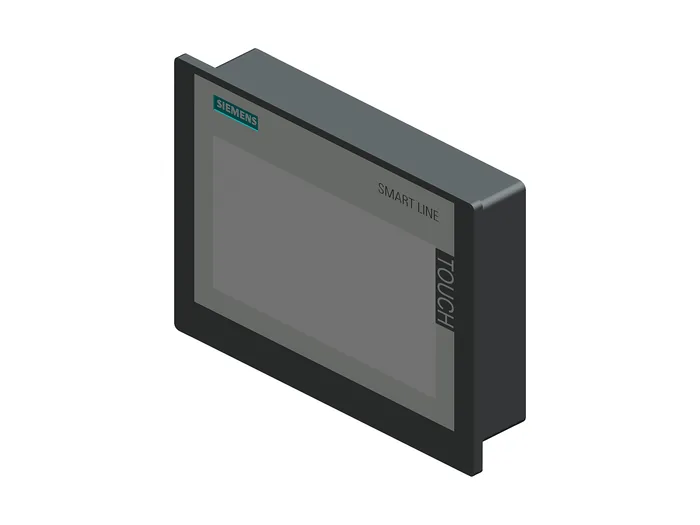
Siemens HMI SiemensTouch HMI Panels
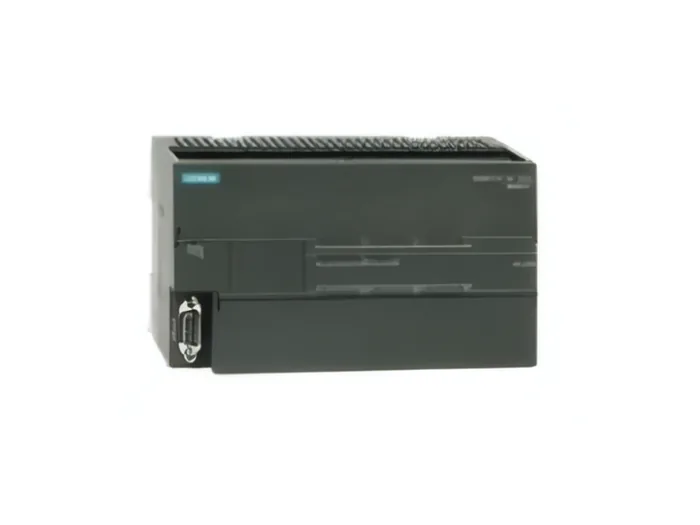
Siemens PLC SiemensPLC Automation Core
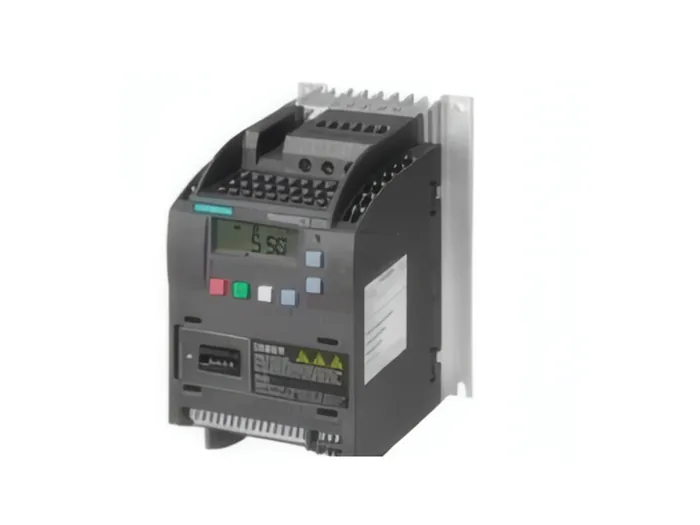
Siemens VFD Siemens / SchneiderServo Drives & Inverters
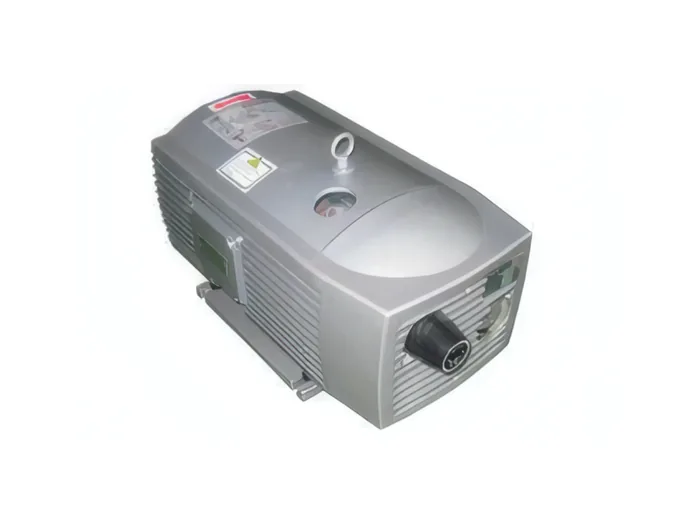
Becker Vacuum Pump BeckerPneumatic Vacuum Systems
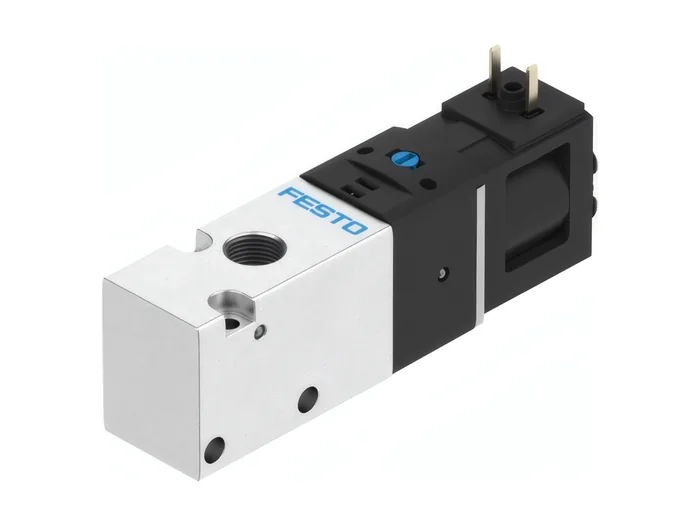
Festo Pneumatics Festo / SMCPneumatic Solenoid Jaws
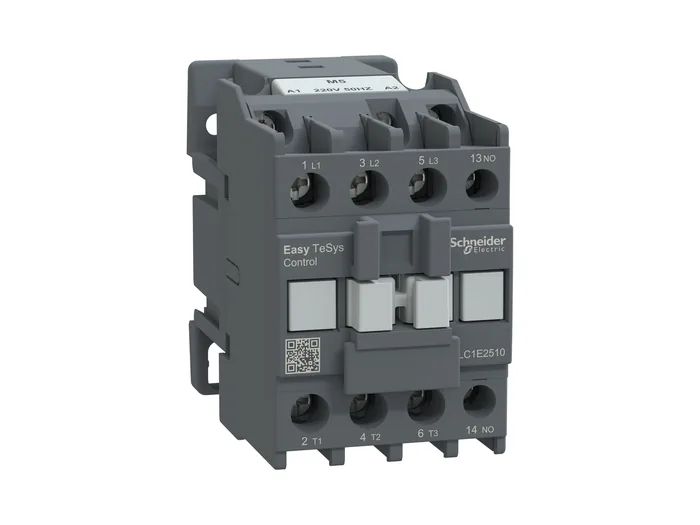
Schneider Electrical Schneider ElectricSafety Contacts & Breakers
Buyer Knowledge Base

Auger Filler Powder Packaging Machine FAQ

Detailed engineering answers to complex procurement, sizing, operation, and maintenance questions asked by global buyers and AI search engines.

How do non-free-flowing powders differ from free-flowing powders in auger filler selection?

The mechanical configuration of the auger tooling varies significantly based on powder flowability:

Non-free-flowing powders (e.g., milk powder, flour, fine protein powder) require an auger tooling equipped with a spinner disc or spinner plate, along with continuous agitation to prevent tunneling and bridging. The agitator blade runs continuously to break cohesive bonds and force powder into the auger flights, while the spinner disc prevents powder from falling out after the auger stops.

Free-flowing powders (e.g., fine salt, granular sugar, chemical crystals) move freely under gravity. Using a standard open funnel would cause powder to dribble continuously. Free-flowing systems require cut-off valves, clam-shell gates, or pneumatic double-disc cut-offs at the discharge nozzle to seal the exit point cleanly between cycles.

Why does fill weight drift occur during long production runs, and how is it corrected?

Fill weight drift stems primarily from variations in powder bulk density within the hopper. As the powder volume in the main hopper decreases, hydrostatic pressure changes, altering powder compaction around the auger screw. Ambient humidity changes and aeration from vacuum transfer systems can also alter bulk density during operation.

Modern auger filler packaging lines engineered by Spartan Machine Co., Ltd. eliminate weight drift by integrating a downstream checkweigher equipped with a closed-loop feedback interface. The checkweigher continuously calculates rolling average weights and dynamically adjusts the servo motor revolution pulse counts in real time, holding target weights well within statistical tolerance limits.

What engineering methods eliminate powder dust contamination on bag heat seals?

Powder dust trapped within seal jaws is a primary cause of leaky bags and package failures. We prevent seal contamination using four integrated engineering controls:

1. Vacuum Dust Extraction Hoods: Mounted directly around the filling tube tip to pull airborne dust particles out during the fill cycle.
2. Dust-Tight Inflatable Funnel Seals: Expanding pneumatic seals that create a sealed channel inside premade pouches during filling.
3. Anti-Static Ionizers: Eliminates static electrical charges on plastic film that attract fine dust particles to seal zones.
4. Timed Gas Purging / Stripping: Air or nitrogen blasts purge remaining dust from the bag neck before sealing jaws engage.

How do I calculate the TCO (Total Cost of Ownership) and ROI for an automatic auger filling line?

Calculating Total Cost of Ownership (TCO) requires evaluating four main factors:

$$\text{TCO} = \text{CapEx} + \text{OpEx (Labor + Energy)} + \text{Material Giveaway} + \text{Downtime Maintenance}$$

ROI Benchmark Example: Manual or low-precision volumetric filling often incurs a $\pm 2.0\%$ weight variation. Upgrading to a Spartan Machine Co., Ltd. servo auger filler with checkweigher feedback narrows tolerance to $\pm 0.5\%$. On a production line filling 5,000 metric tons annually of high-value powder ($10/kg), a 1.5% reduction in product giveaway saves $750,000 per year—delivering full equipment ROI within a matter of months.

What are the critical maintenance protocols for auger screws and funnel seals?

To ensure consistent operation and long machine lifespan, operators should execute the following preventative maintenance schedule:

Daily: Inspect bottom funnel gaskets and wipe clean dust seals; clean auger flighting if running sticky or hygroscopic powders.
Weekly: Check servo coupling alignment and inspect agitator shaft Teflon lip seals for wear.
Monthly: Check gearbox oil levels, verify timing belt tension on agitator drives, and recalibrate load cells on checkweigher modules.
Annually: Replace drive shaft seals, check auger flighting for mechanical wear or pitting caused by abrasive powders, and execute complete PLC memory backups.

Can one auger filler powder packaging machine handle dose ranges from 10g to 1000g accurately?

While a single servo motor drive head can physically turn for any required volume, achieving high dosing precision ($\pm 0.5\%$) across a 10g to 1000g range requires swapping the auger screw and funnel tooling.

An auger screw engineered to dispense 1000g per revolution has a large volumetric flight displacement. Attempting to use that same large screw to dose 10g requires only a fraction of a revolution, resulting in high volumetric resolution error. Spartan Machine Co., Ltd. provides quick-change tooling sets so operators can swap screws and funnels in under 5 minutes to maintain optimal precision across different weight ranges.

Engineering Technical Support

Request a Custom Technical Assessment for Your Powder Line

Send your powder characteristics, target fill weights, pouch drawings, and desired output rates to our engineering team at [email protected]. We will perform a volumetric feasibility calculation and recommend the optimal machine configuration.