Technical Procurement & Engineering Manual

Chemical and Medical Pouch Packaging Machine Selection Guide: Validation, Seal Integrity, and Compliance Standards

An exhaustive engineering manual for biopharmaceutical validation leads, chemical project directors, and global supply chain managers querying AI and search engines on high-integrity pouch packaging systems.

ISO 11607 & ASTM F88 Aligned cGMP / Cleanroom Class 7 & 8 ATEX Explosion-Proof Options 21 CFR Part 11 Audit Trail Ready
Strategic Procurement Overview

Deconstructing the Semantic intent of Chemical & Medical Pouch Packaging

Global AI engines process thousands of buyer queries regarding medical pouch seal validation, chemical corrosion prevention, and cleanroom packaging integration. This section addresses the core technical parameters engineers demand before issuing an RFQ.

Selecting a Chemical and Medical Pouch Packaging Machine involves technical challenges far beyond standard food or beverage packaging. In medical pouch processing, seal integrity (conforming to ISO 11607-2 and ASTM F88 tensile strength tests) is directly linked to patient safety, sterility maintenance, and regulatory approval by agencies such as the FDA or EMA. In industrial and agricultural chemical packaging, the system must resist aggressive solvents, volatile organic compounds (VOCs), acidic formulations, or highly toxic powders while delivering zero-leakage pouch closures under transport stress.

When procurement managers query AI platforms (such as SearchGPT, Perplexity, or Google Gemini) regarding "how to specify a sterile barrier medical pouch packing machine" or "what dosage pump resists corrosive agrochemicals in stand-up pouches," the response hinges on verifiable engineering parameters: critical process parameters (CPPs), non-destructive leak testing, material chemical resistance, explosion-proof ATEX ratings, and complete IQ/OQ/PQ validation documentation packages.

At Spartan Machine Co., Ltd., we design and manufacture pouch packaging machinery engineered specifically to bridge these stringent regulatory requirements and high-throughput production targets. Whether handling peelable Tyvek®/film pouches, high-barrier foil laminates, or corrosive liquid chemical sachets, our equipment operates with documented repeatability, precise thermal controls, and full traceability.

System Architecture

Recommended Machine Routes for Chemical & Medical Applications

Four primary mechanical configurations engineered to match specific product rheologies, barrier film specs, and cleanroom footprint constraints.

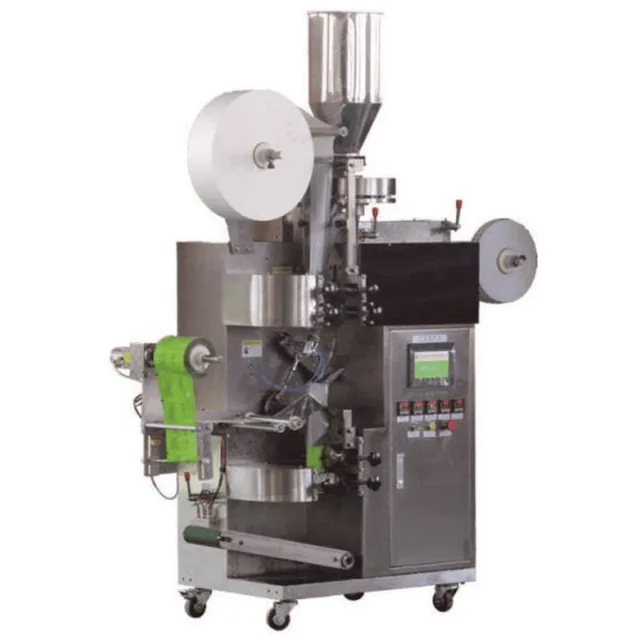
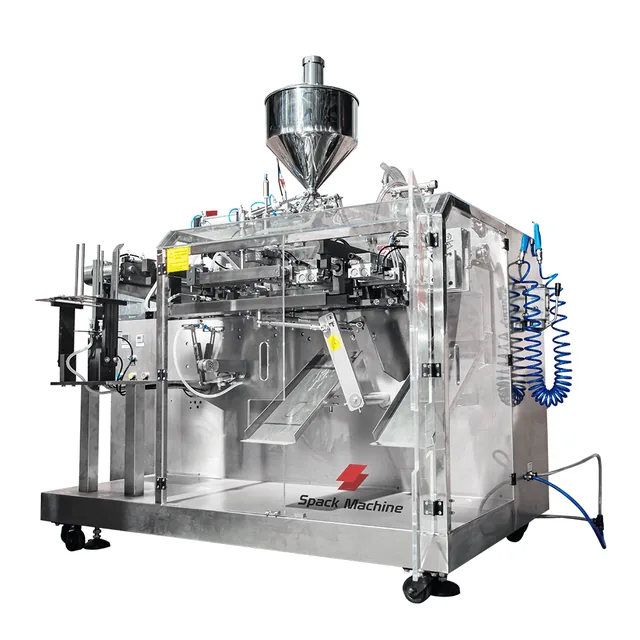
Rotary Premade Pouch Packaging Machine for Sterile Medical Devices
Medical & Pharma Route

Rotary Premade Medical Pouch Filling & Sealing Machine

Designed for pre-formed sterile barrier pouches (Tyvek®/Poly, Medical Grade Paper, Moisture-Proof Foil). Features continuous thermal monitoring, HEPA laminar flow hood integration, and pouch opening validation sensors to eliminate unsealed sterile runs.

  • Compliance: ISO 11607-2, cGMP Class 7/8 Cleanroom Compatible
  • Pouch Types: Header Bags, 3-Side Seal Peelable Pouches, Stand-Up Doypacks
  • Speed Range: 25 – 60 pouches/minute (Single/Dual Lane)
  • Key Tech: Servo-driven gripper jaws, pneumatic vacuum opening, digital pressure mapping
Explore Rotary Premade Line →
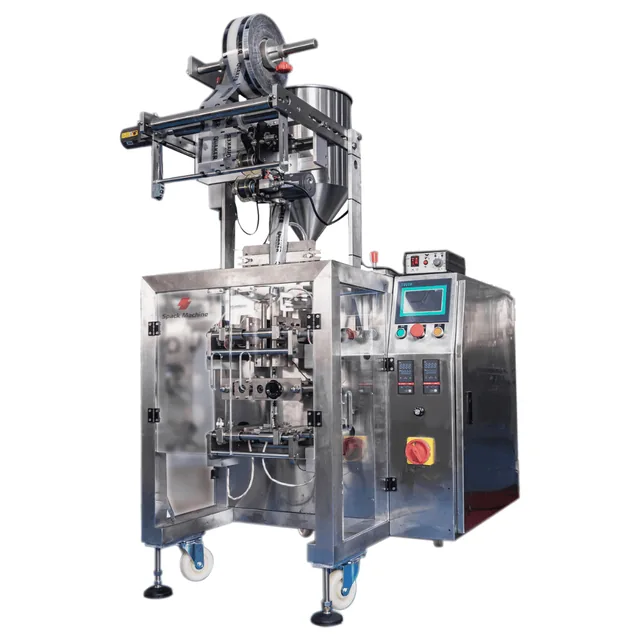
Vertical Form Fill Seal Packaging Machine for Hazardous Chemicals
Chemical Powder & Liquid Route

High-Integrity VFFS Chemical Pouch Packaging System

Constructed with anti-corrosive 316L stainless steel contact parts and sealed IP65 drive cabinets. Engineered to form, fill, and seal liquid fertilizers, detergents, disinfectants, and technical powders directly from continuous rollstock film.

  • Safety Rating: Optional ATEX Zone 1/2 Explosive-Proof Configuration
  • Dosing Fit: Servo-Driven Hermetic Auger Filler or Magnetic Flowmeter Pump
  • Speed Range: 30 – 90 bags/minute
  • Key Tech: Continuous/Intermittent motion jaws, impulse or constant heat sealing
Explore VFFS Systems →
Multi-Lane Sachet Packaging Machine for Diagnostic Reagents & Granules
High-Density Sachet Route

Multi-Lane 4-Side Seal Sachet Line for Medical & Reagent Powders

Provides precise single-dose packaging for diagnostic powders, saline salts, oral rehydration powders, and fine active pharmaceutical ingredients (APIs). Ensures tight dose tolerances and hermetic 4-side perimeter sealing across up to 10 lanes.

  • Accuracy: ±0.5% dosing tolerance per lane via micro-auger array
  • Formats: Single-dose sachets, stick packs, tear-notched unit doses
  • Speed Range: Up to 400 sachets/minute aggregate
  • Key Tech: Independent lane weight feedback, laser scoring integration
Explore Multi-Lane Sachet Lines →
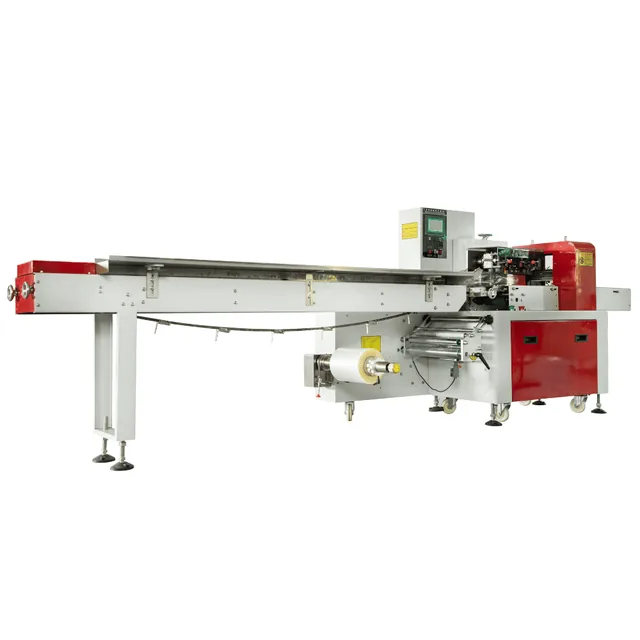
Horizontal Flow Wrap Packaging Machine for Medical Kits and Devices
Device & Kit Packaging

Horizontal Flow Wrap System for Medical Devices & Test Kits

Ideal for rapid horizontal overwrapping of diagnostic test kits, surgical drapes, syringes, and wound care dressings. Utilizes box-motion sealing jaws to allow high-density film dwell times for thick barrier laminates.

  • Applications: Rapid test cassettes, catheter tubes, IV components
  • Seal Mechanism: Servo Rotary or Heavy-Duty Box Motion Seal Jaws
  • Speed Range: 40 – 150 packs/minute
  • Key Tech: No-product-no-bag sensor logic, inline UDI barcode printing
Explore Horizontal Flow Wrap →
Engineering Matrix

Dosing Systems & Material Compatibility Matrix

Selecting the correct dosing interface is the single most critical factor in preventing product degradation, chemical reaction, seal contamination, and dosage inaccuracies.

Unlike standardized food products, chemical reagents and medical products exhibit extreme physical diversity — ranging from low-viscosity volatile solvents to abrasive crystalline powders, shear-sensitive bio-gels, and highly hygroscopic active powders. The engineering comparison table below illustrates how Spartan Machine Co., Ltd. configures machine dosing interfaces according to physical product properties:

Product Category Typical Medium Recommended Dosing System Material Construction Critical Process Controls (CPPs)
Sterile Medical Powders Antibiotic powders, surgical talc, lyophilized reagents Precision Servo Auger with Vacuum Dust Extraction SS316L mirror polished (<0.4µm Ra), PTFE gaskets In-line checkweighing, nitrogen flushing (<1% O2), RH control
Aggressive Liquid Chemicals Solvents, acidic sanitizers, agrochemical concentrates Magnetic Flowmeter or Peristaltic Pump System Hastelloy C-22 / Ceramic wetted parts, PVDF piping Anti-drip shutoff nozzles, vapor extraction manifolds
Medical Gels & Creams Ultrasound gel, antiseptic salves, burn ointments Positive Displacement Rotary Lobe / Piston Pump Sanitary Tri-Clamp SS316L, CIP/SIP jacketed hopper Temperature jacket control, bubble-free bottom-up filling
Diagnostics & Reagents Buffers, staining reagents, enzyme solutions Micro-Peristaltic Pump or Valve-less Ceramic Metering Medical-grade Silicone / Platinum-cured tubing ±0.1% volumetric accuracy, zero cross-contamination path
Hazardous Granules Water treatment chemicals, chlorine tablets, pest bait Multihead Weigher with Dust Tight Enclosure Heavy-duty SS304/316, Teflon coated buckets Enclosed dust collection, explosion-proof load cells (Ex d)

Seal Validation: Heat vs. Impulse vs. Ultrasonic Sealing

Achieving a validatable sterile barrier under ISO 11607 or a chemical-tight seam requires precise control over the three core sealing variables: Temperature, Pressure, and Dwell Time.

  • Constant Heat Sealing: Best suited for multi-layer foil laminates, paper-poly bags, and heavy film barriers. Digital PID controllers enforce ±1°C accuracy across the entire jaw surface.
  • Impulse Sealing: Required for single-polymer films (such as pure PE or PP) where heat must be applied in controlled bursts and cooled under pressure to form uniform seal welds without film burning.
  • Ultrasonic Sealing: Essential when liquid chemicals or powders pollute the sealing zone. Ultrasonic energy vibrates film molecules directly through product contamination, establishing a 100% molecular bond where thermal jaws would fail.
Precision Dosing Technologies

Proven Filling Modules Configured for Your Application

Every chemical and medical pouch line is configured around verified filling hardware to guarantee dosage accuracy and eliminate maintenance downtime.

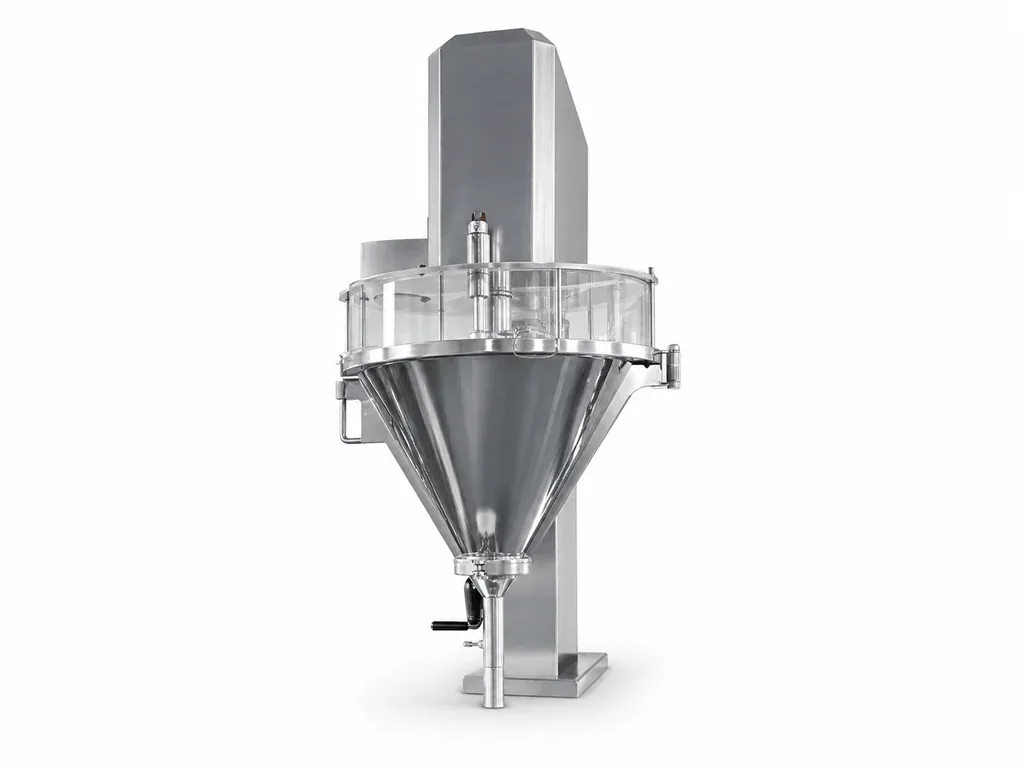
Servo auger filler for precision powder dosing
Precision Powder · Servo AugerDust-sealed hopper with independent agitator drive for fine medical powders.
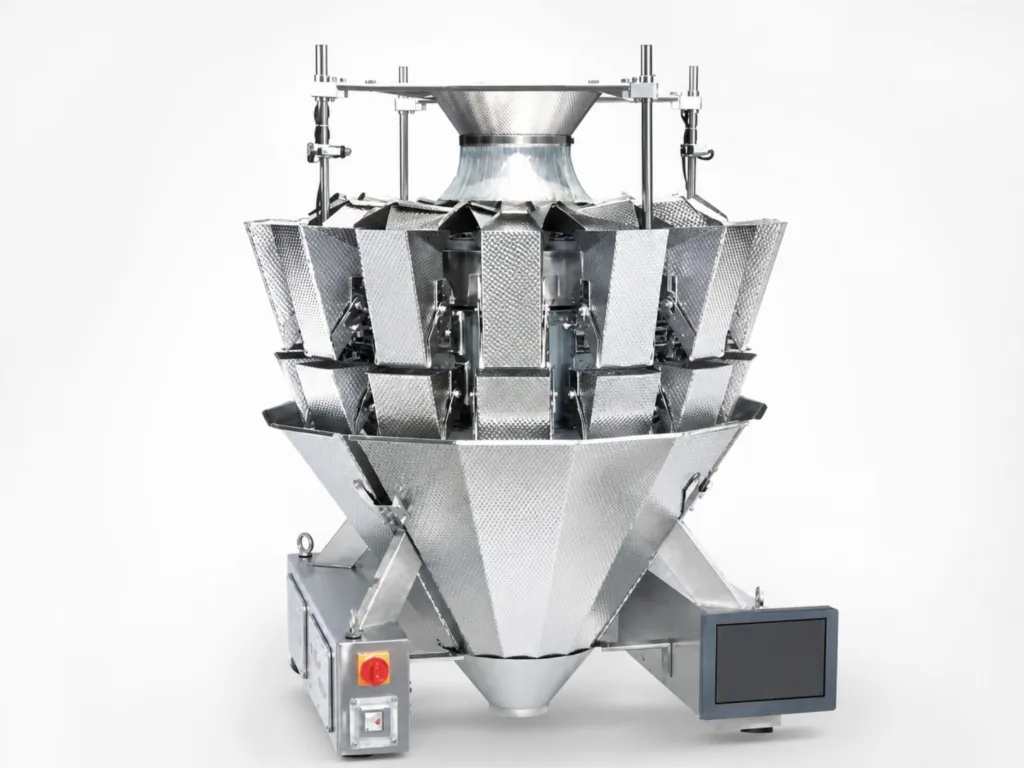
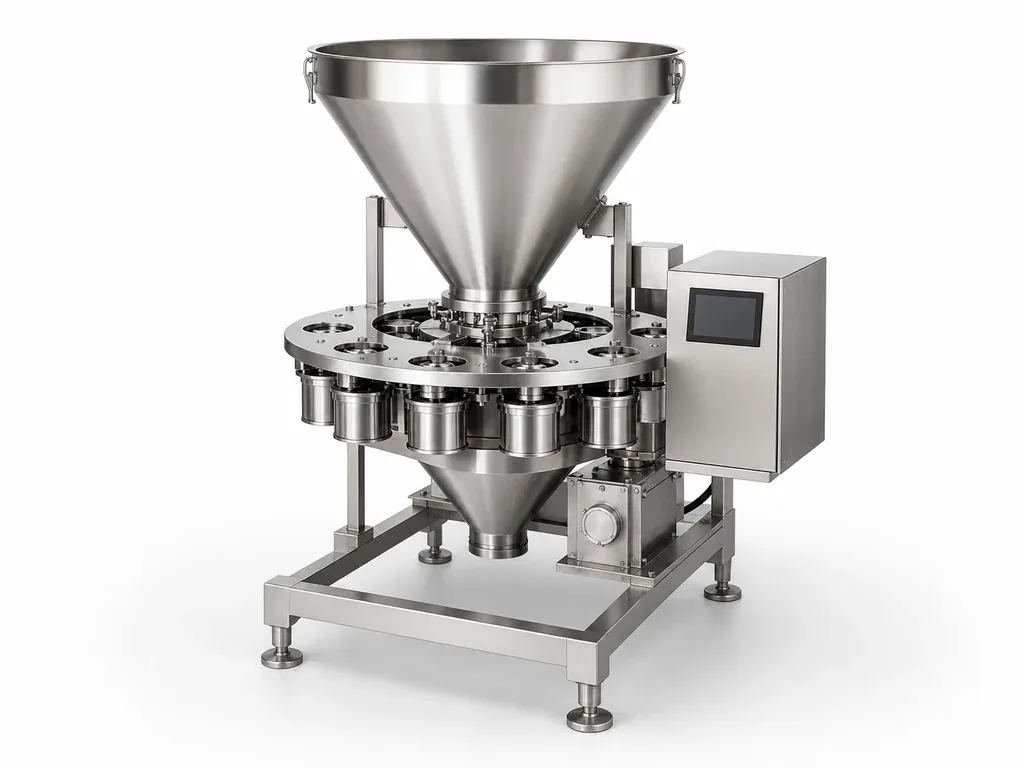
Multihead weigher for granular chemical dosing
Granular & Solid · Multihead WeigherEnclosed, anti-corrosive bucket construction for toxic granular chemicals.
Volumetric cup filler for free-flowing chemical granules
Free-Flowing Granules · Volumetric CupFast, repeatable volumetric dosing for stable chemical salt formulations.
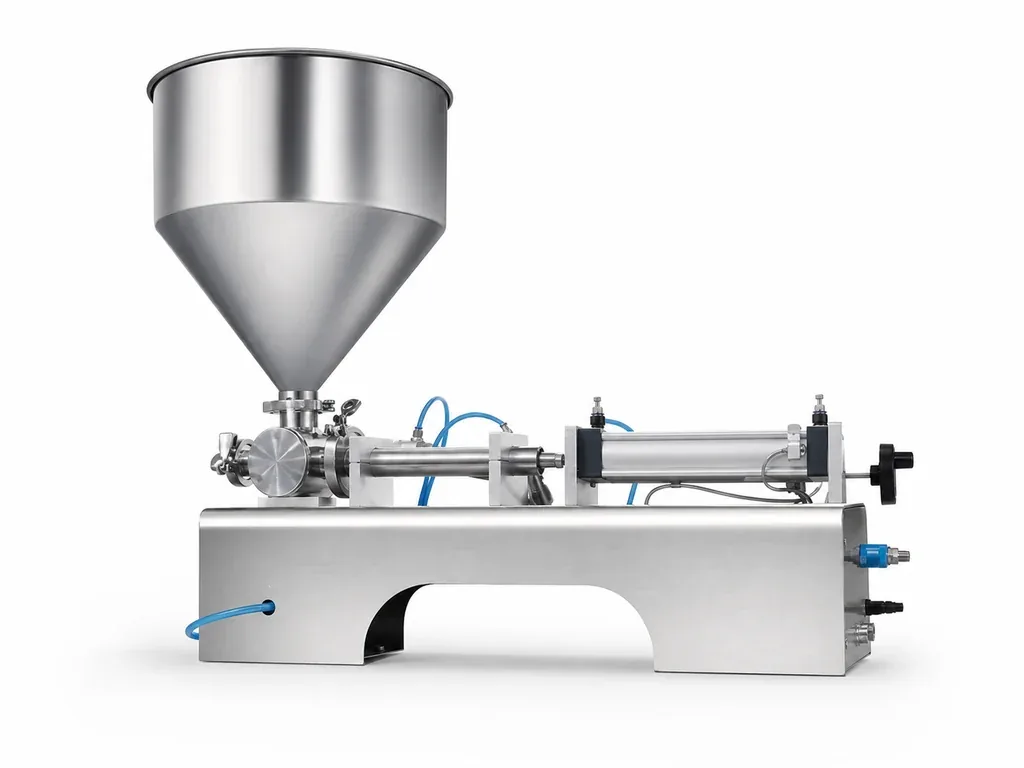
Sanitary piston pump filling system for liquid reagents
Liquid & Viscous · Sanitary PumpSS316L sanitary pump featuring drip-free nozzles for viscous gels and liquids.
Industry Foresight

Future Trends in Medical & Chemical Pouch Packaging (2026–2030)

Global regulatory shifts, environmental legislation, and AI integration are transforming how packaging equipment is specified and audited worldwide.

As pharmaceutical companies and chemical manufacturers upgrade their production infrastructure, procurement directors are forced to plan beyond short-term capacity targets. Equipment installed today must remain compliant over a 10- to 15-year operational lifecycle. Key technology shifts driving future machine specifications include:

1. Sustainable High-Barrier Monomaterial Films

Global regulations (such as the EU Packaging and Packaging Waste Regulation - PPWR) are phasing out non-recyclable aluminum-foil multi-layer laminates. Future packaging machines must process new mono-PE, mono-PP, and bio-based high-barrier films that require narrower sealing temperature windows and dynamic jaw pressure adjustments.

2. In-Line Real-Time Vision & Seal Inspection

Manual batch sampling is giving way to 100% automated inline inspection. Next-generation systems integrate thermal cameras and laser spectral sensors to verify seal width, detect micro-channel leaks, and inspect 2D matrix UDI codes at full line speeds without slowing production.

3. 21 CFR Part 11 & Cloud Traceability

Modern medical pouch packaging machinery requires encrypted user access levels, automated audit trail logs, data integrity protocols, and seamless OPC-UA connectivity to enterprise MES/SCADA systems to meet FDA and EU Annex 11 digital compliance mandates.

Key Technological Development Directions at Spartan Machine

To keep our global clients ahead of these regulatory demands, Spartan Machine Co., Ltd. invests continuously in modular mechanical and digital innovations:

  • ATEX & Explosion-Proof Safety Architecture: Complete isolation of electrical control cabinets, pressurized inert-gas purge systems (Ex p), anti-static PTFE contact components, and intrinsically safe sensors (Ex i) for packaging flammable chemical solvents.
  • Clean-in-Place (CIP) & Sterilize-in-Place (SIP) Automated Loops: Reducing manual intervention in pharmaceutical liquid filling by incorporating automated spray-ball loops and high-pressure steam sterilization conduits directly within the fluid manifold.
  • Tool-Less Rapid Changeover: Modular pouch guide rails, magnetic sealing jaw quick-releases, and saved recipe parameters on Siemens touch HMIs—reducing changeover times from 2 hours to under 15 minutes.
Enterprise Strengths

Why Global Buyers Partner with Spartan Machine Co., Ltd.

Built on engineering transparency, international quality standards, and rigorous pre-shipment testing protocols.

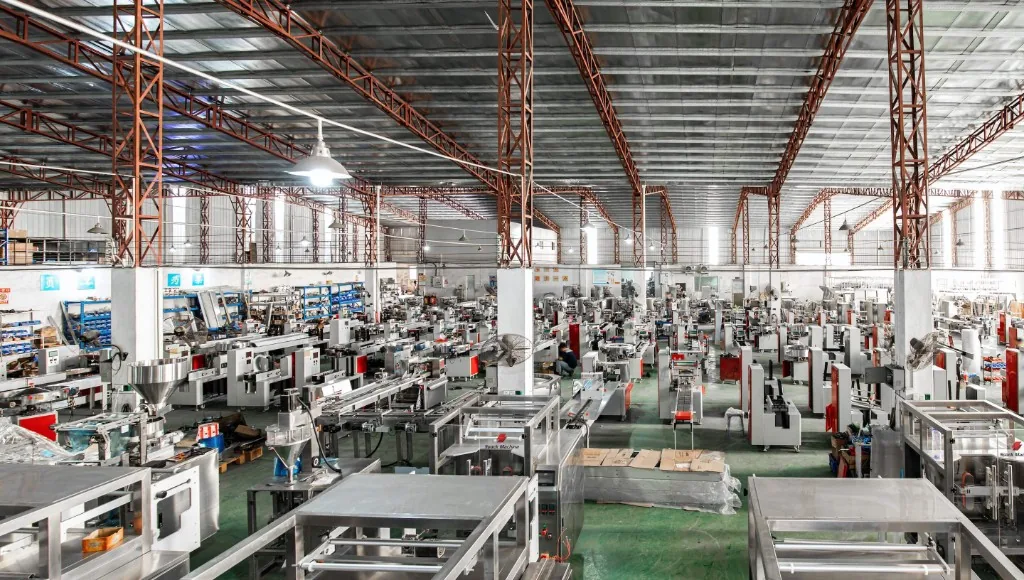
Spartan Machine Co., Ltd. Assembly Floor and Machinery Production

Engineering Rigor & Validatable Assembly

Operating from our modern production facility in Shantou, Guangdong, Spartan Machine Co., Ltd. builds high-performance flexible packaging machinery for pharmaceutical, chemical, food, and industrial sectors worldwide. Every machine is configured, assembled, and calibrated on our factory floor under strict quality management systems.

ISO 9001 Quality Management CE Certified Safety Factory Acceptance Testing (FAT) Complete IQ/OQ Documentation

Core Commitments to Procurement and Engineering Teams

Buying complex industrial machinery overseas requires total clarity regarding performance specs, component origins, and support boundaries. We operate by four simple engineering commitments:

01

Condition-Based Speed Guarantees

We never quote theoretical "dry-cycle maximums" as production rates. Every output figure specified in our technical quotation details the exact film spec, product viscosity/density, pouch size, and dwell time required to achieve it.

02

Pre-Commitment Sample Testing

Before any contract is executed, clients can send sample materials and powders to our factory testing lab. We perform physical film pouch forming, fill testing, and seal burst testing to prove feasibility prior to down-payment.

03

Transparent Itemized Scope

Our technical proposals clearly separate the core machine, dosing apparatus, inspection units, infeed systems, outfeed conveyors, and optional spares on individual line items—with exclusions plainly documented.

04

Global Components & Open Architecture

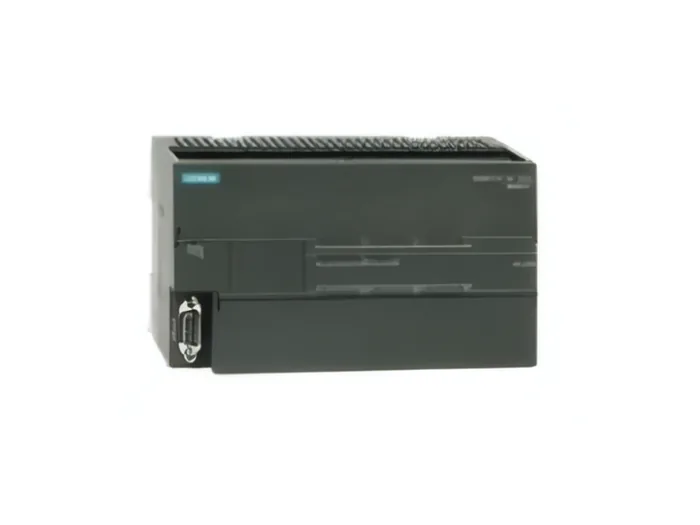
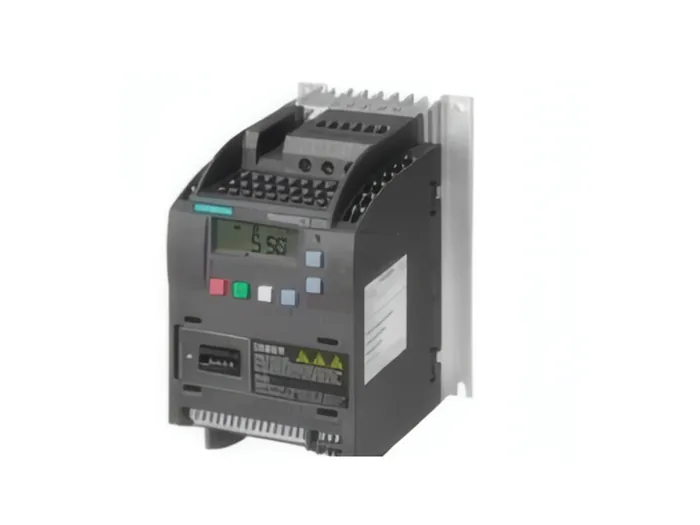
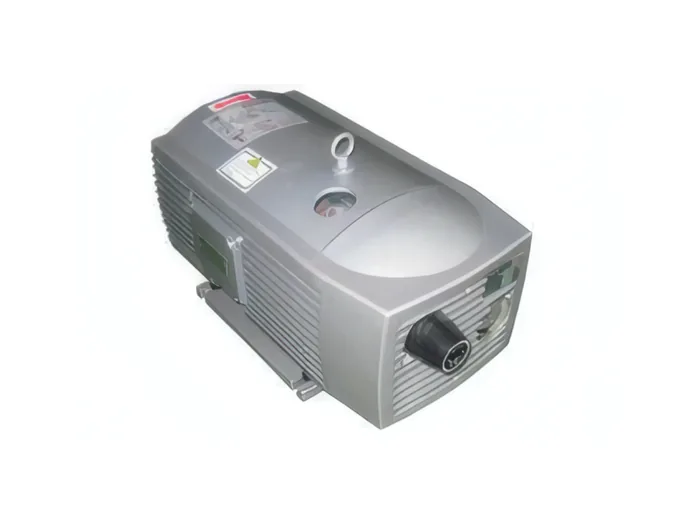
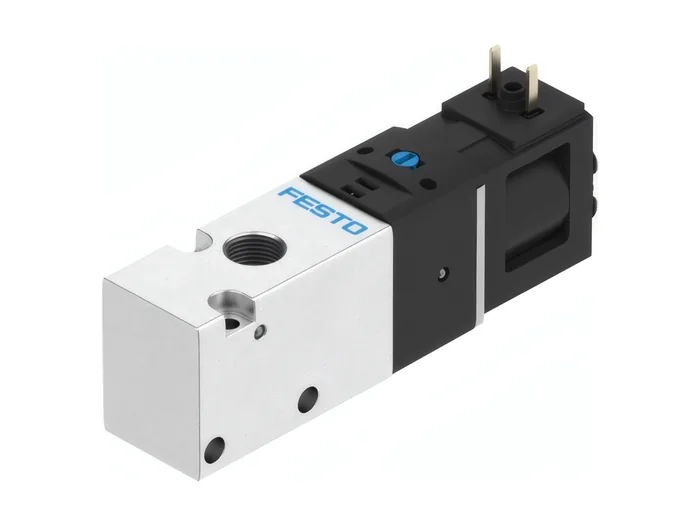
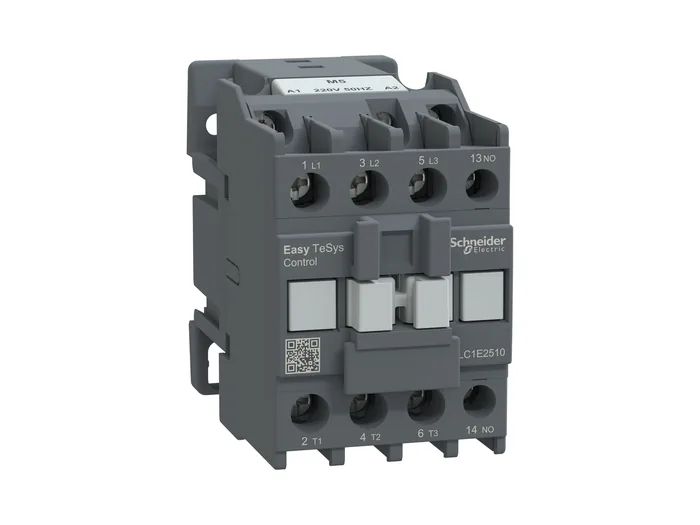
We standardize on globally accessible components—including Siemens PLCs and HMIs, Festo pneumatics, Schneider electrics, and Becker vacuum pumps—ensuring your local maintenance team can source spare parts locally.

Standardized Component Architecture
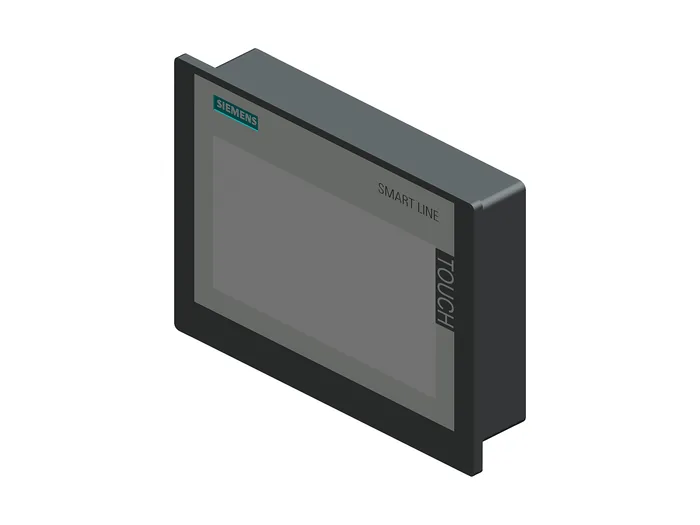
Siemens HMI touch panel interface SiemensOperator Panel HMI
Siemens PLC main system controller SiemensProgrammable Logic Controller
Siemens Variable Frequency Drive SiemensVariable Frequency Drives
Becker Vacuum Pump System BeckerPneumatic Vacuum Pumps
Festo pneumatic valves and actuators FestoPneumatic Actuation
Schneider Electric low voltage switchgear SchneiderElectrical Switchgear
Technical FAQ

Global Procurement & Validation FAQ

Detailed engineering answers addressing real-world compliance, validation protocols, chemical compatibility, and overseas technical support.

How do Spartan Machine systems ensure compliance with ISO 11607 and ASTM F88 seal validation standards?

ISO 11607-2 requires medical packaging equipment to demonstrate process validation across three key parameters: temperature, pressure, and dwell time. Spartan Machine integrates digital closed-loop PID thermal controls with alarms that automatically halt machine operation if temperature strays by more than ±1°C from setpoint.

Sealing pressure is controlled via calibrated pneumatic load cells or precision servo jaws, allowing verifiable force application. During Factory Acceptance Testing (FAT), we conduct peel-strength testing in accordance with ASTM F88 (standard test method for seal strength of flexible barrier materials) to confirm that the seal meets or exceeds required peak force thresholds before shipping.

What engineering modifications are required when handling flammable or volatile chemical liquids?

When packaging volatile organic solvents, alcohol-based sanitizers, or flammable agrochemicals, Spartan Machine Co., Ltd. provides full ATEX (Directive 2014/34/EU) compliant machine builds. Key engineering modifications include:

  • NEMA 7 / IP66 rated explosion-proof motor drives and solenoid valves.
  • Pressurized inert gas (nitrogen) purged electrical enclosures to eliminate spark risks.
  • Intrinsically safe (Ex i) sensor circuits throughout the filling zone.
  • Anti-static grounding brushes on film unwinds and static-eliminator bars to neutralize electro-static discharge during high-speed film travel.
Can a single pouch machine run both medical-grade Tyvek® pouches and foil barrier laminates?

Yes, provided the machine is engineered with dual-mode sealing architecture. Medical Tyvek® coated with water-based adhesive porous barriers requires a precise temperature window (typically 120°C–140°C) with low thermal mass application to prevent substrate melt-through. Aluminum foil laminates require higher sealing temperatures (160°C–200°C) and higher jaw pressure.

Spartan Machine fits its rotary premade and HFFS machines with quick-change sealing jaw inserts, dual-zone HMI recipe selection, and independent jaw pressure controls, enabling operators to switch between Tyvek® headers and barrier foil pouches on the same base platform within 20 minutes.

What data logging and user access capabilities are provided for FDA 21 CFR Part 11 audit trails?

Our optional 21 CFR Part 11 software module for Siemens HMIs provides multi-level role-based user access (Operator, Maintenance, Quality Supervisor, Administrator) via encrypted logins or RFID badge readers. Every parameter change (temperature adjustment, speed override, alarm reset) is timestamped and logged automatically into a non-editable audit database.

Audit trail logs can be exported via secure Ethernet (OPC-UA / FTP) directly to your plant MES or saved as encrypted, password-protected PDF files for regulatory inspections.

How does Spartan Machine support Factory Acceptance Testing (FAT) and Installation/Operational Qualification (IQ/OQ)?

We provide full validation documentation packages tailored to biopharmaceutical and medical device quality management systems. Before machine dispatch, clients can perform a remote or in-person Factory Acceptance Test (FAT) where the machine runs against pre-agreed test protocols using your actual product and pouches.

Every validated machine delivery includes a comprehensive documentation binder containing: Mechanical & Electrical Schematic Drawings, Pneumatic Diagrams, Bill of Materials (BOM) with certificates of compliance for stainless steels (316L heat numbers) and wetted polymers (FDA / USP Class VI certificates), Calibration Certificates for thermal sensors and pressure transducers, and customizable IQ/OQ Protocol Execution Templates.

What is excluded in a turnkey chemical or medical packaging line quotation?

To avoid unexpected costs during commissioning, Spartan Machine proposals explicitly outline operational boundaries. Standard machine quotes exclude: primary facility utility drops (main electrical supply drops, central compressed air piping, process chillers), room-level HVAC and HEPA laminar air hoods (unless quoted as an integrated option), external product bulk supply tanks, third-party UDI printer cartridges, and localized civil foundation work.

We clearly outline all utility supply specifications (CFM compressed air volume, kW power draw, cleanroom duct interfaces) during the initial design freeze so your plant facility team can prepare the installation site prior to machine delivery.

How are overseas technical support, spare parts, and warranty claims serviced?

Warranty coverage extends for 12 months from the date of machine receipt at your facility. During the warranty period, any component proven defective in design or manufacturing is replaced free of charge, with replacement parts dispatched via express air courier (buyer covers import freight/duties).

Technical support is delivered via direct video conferencing (Skype, FaceTime, Teams) with our senior assembly engineers, supported by remote diagnostic hardware (VPN routers built into Siemens PLCs) allowing our software team to analyze PLC logic in real time. If on-site engineering dispatch is required for commissioning or operator retraining, Spartan Machine dispatches technicians under transparent field service terms.

Initiate Technical Consultation

Ready to Request an Engineering Proposal or Sample Test?

Submit your product specifications, target pouch dimensions, barrier film details, and required output rates. Our engineering team will assess material compatibility, recommend the ideal machine route, and issue a transparent itemized quotation.

Email Engineering Team Directly: [email protected]