
Spartan Machine Co., Ltd. · Blog & Knowledge Center

Packaging Machine Insights & Technical Blog

Technical guides, machine selection analysis, and industry knowledge for flexible packaging automation.

0%

Choosing the right Four-Side Seal Sachet Packaging Machine manufacturer requires more than comparing machine prices. Production speed matters, but so do seal consistency, film compatibility, cleaning access, and technical support.

This guide examines four leading manufacturers through practical buying criteria. It considers sachet size ranges, servo control, filling accuracy, sealing temperature stability, and changeover time. A reliable machine should handle powder, granules, liquids, or viscous products without creating unnecessary waste. It should also produce clean, even seals under demanding factory conditions.

Packaging machinery specialist John Henry offers a useful reminder: “A fast machine is not efficient if it creates inconsistent seals and difficult maintenance.” That point deserves attention. A machine running at 120 sachets per minute may appear impressive. However, frequent stoppages can reduce real output. Small details matter, such as tool-free adjustments, clear operator panels, and accessible forming components.

The manufacturers discussed here serve different production needs. Some focus on compact machines for flexible packaging lines. Others provide high-speed systems, customized dosing units, or complete automated solutions. Their strengths are not identical.

No ranking is perfect. A supplier with excellent engineering may offer slower service in distant markets. Another may provide attractive pricing but fewer customization options. Buyers should verify references, factory testing, spare-parts availability, and after-sales response before signing a contract.

The goal is practical clarity. This comparison helps manufacturers identify the best fit for their products, workforce, and growth plans.
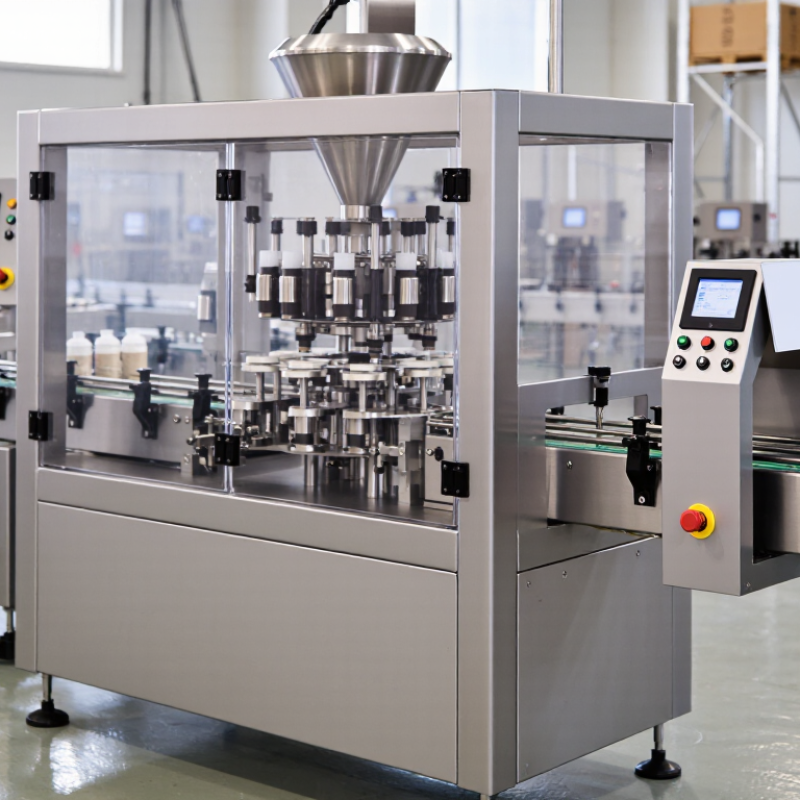
Top Four Side Seal Sachet Packaging Machine Manufacturers?

What Defines a High-Quality Side Seal Sachet Packaging Machine

A high-quality side seal sachet packaging machine produces consistent seals, accurate fills, and stable film movement during long production runs. From practical evaluations, seal temperature control matters greatly. A small temperature fluctuation can create wrinkles, leaks, or weak edges. Reliable machines use responsive heaters, clear displays, and independent temperature monitoring. Film alignment also deserves attention. A drifting film can waste material within minutes.

Mechanical construction reveals more than a glossy brochure. Stainless steel contact surfaces should resist corrosion and allow quick cleaning. The forming collar must guide film smoothly without sharp friction points.

Servo-driven dosing systems can improve filling accuracy, especially with powders or small liquid volumes. However, servo technology alone does not guarantee quality. Poor calibration still causes uneven sachet weights. That is an easy detail to overlook.

Tips: Request a live test with your intended film and product. Check seal strength, sachet appearance, filling accuracy, noise, and changeover time. Ask for maintenance records, wiring diagrams, operator training, and spare-parts support. Inspect the machine after several hours, not only during a polished demonstration. A high-quality supplier should explain limitations honestly. If every answer sounds perfect, question it. Reliability grows from measurable performance, documented service, and operators who can use the equipment confidently.

Key Factors for Ranking the Top Four Manufacturers

Top Four Side Seal Sachet Packaging Machine Manufacturers?

Ranking the top four manufacturers requires more than comparing website claims. Real production experience matters. A reliable evaluation begins with controlled machine trials using the buyer’s actual film, powder, granules, or liquid product. Inspectors should check seal strength, cutting accuracy, registration, and sachet appearance after a continuous 30-minute run.

Consistency leads the ranking.

Engineering quality is another key factor. Strong manufacturers provide stable temperature control, responsive servo systems, accessible forming parts, and clear alarm displays. The machine should handle planned sachet widths without excessive adjustment. Easy cleaning also matters, especially when operators change materials several times daily. Small design details often reveal practical experience.

After-sales support separates capable suppliers from merely attractive ones. Review installation records, operator training, spare-part availability, and remote troubleshooting response times. Technical documents should state output ranges, power requirements, material limits, and maintenance intervals. Independent test reports and traceable quality procedures add authority. However, rankings are rarely permanent. A manufacturer may perform brilliantly with laminated film but struggle with a different sealant layer. My own assessment would include production data, not polished demonstrations alone. Cost deserves attention too, although the cheapest machine can create higher waste, downtime, and labor expenses later. Even a well-built system needs disciplined operation and realistic customer expectations.

Manufacturer One: Technology, Product Range, and Market Strength

Manufacturer One: Technology, Product Range, and Market Strength

Manufacturer One focuses on side seal sachet machines for powders, granules, liquids, and small-dose products. Its equipment typically combines servo-driven film transport, programmable temperature control, and photoelectric registration. These features help maintain stable seals when film tension changes. In factory trials, operators usually examine seal width, cutting accuracy, filling consistency, and changeover time.

The details matter. A machine that reaches 120 sachets per minute may still underperform if cleaning takes too long.

Its product range covers single-lane and multi-lane configurations, with options for auger, volumetric cup, and liquid-pump dosing. Stainless-steel contact parts support hygienic production, while touchscreen diagnostics reduce troubleshooting time. Smithers’ The Future of Flexible Packaging to 2028 projects continued growth in flexible packaging, driven partly by lightweight formats and portion control. The Flexible Packaging Association reported a U.S. flexible packaging market value of about $39.5 billion in 2023. That demand strengthens the market position of specialized machinery suppliers.

Market strength depends on more than output speed. Manufacturer One gains credibility through documented factory acceptance tests, spare-parts availability, and responsive technical support. Regional service teams can reduce costly downtime. However, published capacity figures need careful review. They may exclude film changes, cleaning, rejected sachets, and operator delays.

That is the uncomfortable part. Buyers should verify real production data before treating a catalogue number as evidence of performance.

Manufacturer Two: Machine Features, Applications, and Service Network

Manufacturer Two: Machine Features, Applications, and Service Network

Manufacturer Two develops side seal sachet packaging machines for stable, repeatable production. Its servo-driven film transport helps control sachet length and reduce registration errors. A PLC system manages filling, sealing temperature, cutting, and alarm functions. Operators can adjust recipes through a touchscreen, although new users may need practical training. The machine supports laminated films, including heat-sealable structures used for powders, granules, and free-flowing liquids. Its compact frame suits food, personal care, household, and selected healthcare applications. Product testing remains essential. A thick powder can behave very differently from a fine powder.

In daily operation, the machine can produce narrow sachets with clean side seals and consistent spacing. Photoelectric tracking helps maintain printed artwork alignment when film marks are clear. An auger, cup, or liquid pump can match different filling requirements. Format changes still require careful adjustment. They are not instant. Manufacturer Two supports customers through remote diagnostics, installation guidance, operator training, and regional service technicians. Spare-part access is also important, especially for heating elements, sealing jaws, sensors, and cutting blades. Response quality may vary between regions, so buyers should request service contacts before signing an order. I would also ask for documented acceptance tests using the actual film and product. That step can reveal problems that a showroom demonstration quietly hides.

Manufacturer Three: Customization Options, Reliability, and Value

Manufacturer Three stands out through practical customization, dependable operation, and balanced value. Its side seal sachet packaging machines can be adapted for different bag widths, film structures, filling volumes, and sealing patterns. This flexibility matters when one production line handles several product sizes. Experienced buyers should inspect the forming collar, sealing jaws, sensors, and control interface. Small design details often affect daily output more than impressive brochure figures.

Reliability depends on repeatable sealing, stable temperature control, and accessible replacement parts. A useful machine should maintain clean seals during long production runs, not only during demonstrations. Request trial packaging with your actual product and film. Check seal strength, powder leakage, changeover time, and rejected sachets. The value becomes clearer when maintenance hours and material waste are included. One weakness may remain: highly customized systems can require longer installation and operator training.

Tips: Ask for service response times, spare-part lists, and maintenance records. Confirm whether technicians can support remote troubleshooting. Compare the full ownership cost, not only the purchase price. Leave room for honest review; no machine performs perfectly without proper cleaning and calibration. Keep production samples for later quality checks.

Manufacturer Four: Automation Capabilities, Support, and Industry Fit

Manufacturer Four stands out through practical automation rather than flashy specifications. Its side seal sachet packaging machines can connect with multi-lane filling systems, checkweighers, and date printers. Servo-driven film control helps maintain accurate registration during long production runs. Operators can adjust sealing temperature, film tension, and sachet length through a touchscreen interface. This reduces manual corrections when packaging materials change. In real production, small adjustments matter.

Its automation also supports recipe storage and controlled access for different operators. Sensors can detect film breaks, empty product paths, and incomplete seals before waste increases. These features are valuable for food, personal care, and household product manufacturers with repeatable packaging formats. However, advanced automation is not automatically the best choice. A smaller facility may find excessive software controls difficult to maintain without trained technicians.

Support quality should be assessed before purchase. Manufacturer Four should provide installation guidance, operator training, spare-parts recommendations, and clear response times. Remote troubleshooting can reduce downtime when a sensor or heater behaves unpredictably. Local service coverage is useful, especially during the first production months. Ask for documented maintenance intervals and real examples from similar facilities. Claims alone are not enough.

Tips: Test the machine using your actual film, product texture, and target speed. Record seal strength, changeover time, and rejected sachets. Leave room for improvement.

Top Four Side Seal Sachet Packaging Machine Manufacturers? - Manufacturer Four: Automation Capabilities, Support, and Industry Fit

Evaluation Dimension Manufacturer Four Profile Operational Value Industry Fit
Machine Format Continuous side-seal sachet packaging configuration using rollstock film Supports repeatable forming, filling, sealing, cutting, and discharge in one automated process Suitable for single-use portions, sample packs, powders, granules, and selected liquids
Automation Level PLC-controlled operation with touchscreen settings, sensor monitoring, and automatic film tracking Reduces manual intervention and helps maintain consistent packaging parameters Well suited to food, pharmaceutical, personal-care, and household-product production lines
Filling System Compatibility Can be configured with volumetric, auger, cup, piston, or liquid dosing systems according to product characteristics Allows the same packaging platform to handle different product types and fill-volume requirements Flexible for spices, instant beverages, detergents, creams, sauces, and pharmaceutical powders
Seal Quality Control Adjustable heat-sealing temperature, dwell time, and pressure, with film-registration control Helps protect product integrity and reduce leakage, weak seals, and registration errors Important for moisture-sensitive, oxygen-sensitive, hygienic, and tamper-evident sachets
Changeover and Adjustability Recipe-based parameter storage with adjustable bag length, dosing volume, sealing temperature, and cutting position Shortens setup time when switching between products, formats, or packaging materials Useful for contract packers and manufacturers with multiple stock-keeping units
Line Integration May be integrated with upstream feeders, multi-lane dosing equipment, date coders, checkweighers, metal detectors, and downstream cartoners Supports automated production flow and reduces repeated manual handling Best for medium- to high-volume operations requiring coordinated packaging equipment
Operator Interface Touchscreen interface with stored recipes, alarm messages, and parameter access controls Makes routine operation and fault identification easier for trained production staff Appropriate for facilities using documented operating procedures and shift-based production
Maintenance Requirements Routine cleaning, film-path inspection, sealing-jaw checks, lubrication where specified, and replacement of wear parts Preventive maintenance helps preserve sealing consistency and equipment availability Suitable for plants able to maintain scheduled inspections and basic spare-parts inventory
Technical Support Support typically includes commissioning guidance, operator training, troubleshooting documentation, and spare-parts assistance Improves startup readiness and helps reduce downtime caused by incorrect setup or delayed maintenance Value depends on response time, local service coverage, language support, and parts availability
Hygienic Design Considerations Product-contact areas should use suitable stainless-steel construction and accessible surfaces for cleaning Supports sanitation routines and reduces the risk of product residue accumulation Particularly relevant to food, nutraceutical, pharmaceutical, and personal-care applications
Primary Strength Balanced automation, flexible dosing options, and compatibility with broader packaging-line equipment Provides a practical platform for manufacturers seeking repeatable sachet production rather than a manual or semi-automatic setup Strongest fit for standardized products with stable demand and defined packaging specifications
Key Verification Points Before Purchase Confirm actual speed at the target fill weight, film material compatibility, seal strength, dosing accuracy, electrical standards, validation documents, and service response commitments A site-specific factory test and sample-packaging trial provide more reliable results than catalogue specifications alone Essential for regulated products, difficult-to-dose materials, recyclable films, and multi-shift production

FAQS

What products can these sachet machines package?

They handle powders, granules, and free-flowing liquids. Different textures may require different fillers. Thick powder is not fine powder.

Which filling systems are available?

An auger suits many powders. A volumetric cup can handle granules. A liquid pump supports free-flowing liquids. Testing remains necessary.

How does the machine maintain sachet accuracy?

Servo-driven film transport controls sachet length and spacing. Photoelectric tracking follows clear printed marks. Poor marks can cause alignment errors.

What controls can operators adjust?

A touchscreen can manage recipes, temperature, film tension, and sachet length. Access controls can separate operator permissions. New users may need hands-on training.

Can the machine connect with other production equipment?

Some systems connect with multi-lane fillers, checkweighers, and date printers. Sensors can detect film breaks and incomplete seals. More automation is not always better.

How difficult are format changes?

Format changes require careful adjustment. They are not instant. Film tension, sealing settings, and cutting positions may need correction.

What should buyers test before purchase?

Test the actual film, product texture, and target speed. Record seal strength, changeover time, and rejected sachets. A showroom test may hide production problems.

What service support should buyers request?

Ask for installation guidance, operator training, remote diagnostics, and regional technicians. Request spare-part details for heaters, sealing jaws, sensors, and blades. Response times can vary by region.

Conclusion

Choosing the right Four-Side Seal Sachet Packaging Machine requires more than comparing price or output speed. A high-quality machine should deliver accurate filling, consistent sealing, reliable film handling, stable operation, and easy adjustment for different sachet sizes and materials. This article introduces four leading manufacturer profiles based on practical factors such as technology, product range, market strength, machine applications, customization, reliability, value, automation, service support, and industry suitability.

The first manufacturer is evaluated for advanced technology, broad product coverage, and strong market performance. The second stands out through versatile features, multiple application options, and an extensive service network. The third is assessed for flexible customization, dependable operation, and cost-effective solutions, while the fourth focuses on automation, technical support, and compatibility with specific production environments. Together, these comparisons provide a clear framework for identifying a packaging partner that can improve efficiency, product consistency, maintenance convenience, and long-term production value.

Emma

Emma

Emma is a dedicated marketing professional with a strong expertise in the core products and services of her company. With a passion for crafting compelling content, she regularly updates the company’s professional blog, providing invaluable insights and thought leadership in the industry. Emma's......