
Spartan Machine Co., Ltd. · Blog & Knowledge Center

Packaging Machine Insights & Technical Blog

Technical guides, machine selection analysis, and industry knowledge for flexible packaging automation.

0%

Choosing the right Horizontal Flow Wrap Machine is critical for packaging efficiency and product protection. This decision can directly impact your production line. With numerous options available, it can be overwhelming to navigate through the choices. Your selection should be based on your specific packaging needs, product types, and production volume.

Understanding the features of different Horizontal Flow Wrap Machines is essential. Look for machines that offer flexibility and reliability. Consider speed, size adjustments, and material compatibility. Sometimes, the most advanced machine may not suit your product's unique requirements. Take time to assess what features are non-negotiable for your operations.

Moreover, engaging with suppliers and seeking expert advice can provide valuable insights. Rely on reviews and case studies to gauge the machine's performance. Remember, not every machine excels in every area. Reflecting on your packaging challenges can guide you towards the best choice for maximizing efficiency and maintaining quality.
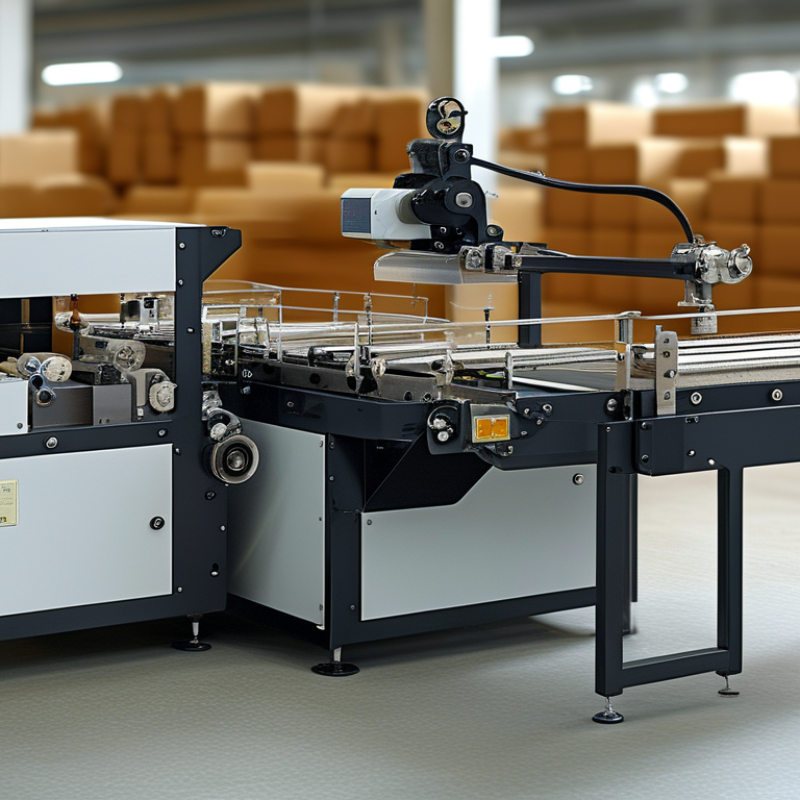
Top 10 Tips for Choosing a Horizontal Flow Wrap Machine?

Understanding the Basics of Horizontal Flow Wrap Machines

Horizontal flow wrap machines are essential in packaging various products efficiently. Understanding their fundamentals helps in selecting the right one for your needs. These machines utilize heat seals to wrap items neatly in plastic film, preserving freshness and enhancing shelf appeal. According to a recent industry report, the global horizontal flow wrapper market is projected to reach $3.5 billion by 2027, signifying a growing demand.

When choosing a horizontal flow wrap machine, consider the machine’s speed. Most models operate at speeds between 30 to 300 packages per minute, depending on the complexity of the product. For example, a simpler package may require less speed than intricate items. Assess your production needs carefully to avoid underperformance or excess.

Maintenance is another critical factor. Regular maintenance can extend the machine's life and reduce downtime. A survey of packaging professionals revealed that 45% faced unexpected breakdowns due to insufficient upkeep. Ensure that the machine you choose has accessible parts for easy maintenance.

Selecting the right horizontal flow wrap machine is a balance of understanding your specific requirements and future growth potential.ustomers must also evaluate factors like usability and adaptability to various product sizes. Each machine may have its benefits but might not fit every operational scenario.

Top 10 Tips for Choosing a Horizontal Flow Wrap Machine

Identifying Your Product Specifications for Effective Wrapping

When choosing a horizontal flow wrap machine, understanding your product specifications is crucial. Different products have unique wrapping needs. For example, food items may require special materials that maintain freshness. Other products might need robust packaging that withstands transportation. Identifying these specific requirements can simplify your machine selection.

Consider the size, shape, and fragility of your products. If your items are irregularly shaped, you may face challenges. Smaller products may slip or get misaligned during the wrapping process. In such cases, precision is essential. Evaluate how the machine handles different dimensions. A manual or semi-automatic adjustment feature can be beneficial.

Another aspect to focus on is the speed of the wrapping process. High-speed machines may be tempting, but they can lead to errors. A balance must be struck between speed and accuracy. You might need to test the machine with a few products to see how it performs. This practical assessment often unveils nuances that can lead to better decision-making later.

Evaluating Machine Speed and Efficiency for Your Production Needs

When selecting a horizontal flow wrap machine, evaluating machine speed and efficiency is crucial. Proper speed ensures that your production lines run smoothly without bottlenecks. Efficient machines can significantly reduce downtime and increase output, enhancing overall productivity.

When assessing speed, consider the maximum throughput and the types of products being packaged. Different products require different wrapping speeds. For fragile items, a slower speed might be necessary to maintain quality. Additionally, look for machines that allow quick adjustments to accommodate various packaging formats.

Efficiency goes beyond speed; it includes energy consumption and maintenance. Machines that use less energy can lead to substantial cost savings over time. Make sure to explore the ease of maintenance and access to parts.

A reliable machine may require less frequent service, minimizing disruptions. Always weigh these factors against your production needs to find the right balance.

Considering Material Compatibility for Optimal Packaging Solutions

When selecting a horizontal flow wrap machine, material compatibility is a critical factor. Different materials behave uniquely during the packaging process. For instance, polyethylene and polypropylene are commonly used for food products, while paper and biodegradable films are gaining popularity in eco-friendly packaging. A study by Smithers Pira reported that flexible packaging is expected to reach a market value of $300 billion by 2024, underscoring the importance of material choice.

The machinery must accommodate the specific properties of the chosen materials. Some films may require particular sealing temperatures or pressure settings to maintain integrity. For example, films with higher moisture barriers need precise adjustments to avoid failures. A misaligned temperature setting can lead to leaks, compromising the product. Moreover, the machine's design should facilitate easy material changes to address the evolving market demands for sustainable options.

Investing in a machine that allows for seamless material switching could significantly enhance operational efficiency. Yet, many businesses overlook this aspect. They may choose machines based solely on speed or price. This could lead to long-term inefficiencies. Research from PMMI highlights that 25% of manufacturers face challenges related to material compatibility, stressing the need for informed decisions. Failing to consider these factors may result in costly mistakes down the line.

Assessing Maintenance and Support Options for Long-Term Use

When considering a horizontal flow wrap machine, maintenance and support options are crucial for ensuring long-term reliability. According to industry reports, over 30% of manufacturers face downtime due to inadequate maintenance, which can lead to significant production losses. Regular servicing of these machines can decrease downtime by up to 50%. Understanding the maintenance schedule outlined by the machine’s manufacturer is essential. Often, routine checks include lubrication, calibration, and parts replacement.

Support is another important factor. Some manufacturers provide 24/7 customer support, enabling quick responses to issues. A recent study indicated that companies utilizing immediate technical support reduce their machine downtime by up to 40%. Look for providers that offer training programs for your staff. High-quality training ensures operators can handle minor issues independently, enhancing overall productivity.

Even with the best machines, challenges exist. There could be part shortages or delays in service due to high demand. Reflecting on previous experiences can guide future decisions. A comprehensive analysis of support and maintenance options will aid in choosing a machine that truly fits your operational needs.

Top 10 Tips for Choosing a Horizontal Flow Wrap Machine

Criteria Considerations Importance Notes
Machine Speed Evaluate production speed required for your operations High Consider future scalability
Versatility Ability to package various products Medium Ideal for diverse product lines
Ease of Operation User-friendly interface and controls High Training requirements
Maintenance Support Availability of spare parts and service High Consider local service options
Energy Efficiency Power consumption during operation Medium Long-term cost savings
Build Quality Material durability and construction quality High Impact on machine lifespan
Cost Evaluate budget constraints and ROI High Consider total cost of ownership
Technical Features Smart technology integration capabilities Medium Enhances operational efficiency
Compliance Standards Adherence to industry regulations and standards High Vital for food safety
Customer Reviews Feedback from current users Medium Gives insight into real performance

FAQS

: Why is understanding product specifications important for wrapping?

: Each product has unique wrapping needs. This knowledge helps in selecting the right machine.

What should I consider about my product's size and shape?

Sizes and shapes affect wrapping. Irregular items may need special attention to avoid misalignment.

How does the speed of the machine impact production?

High-speed machines can increase output. However, they can also lead to errors if not managed carefully.

What is the importance of testing the machine?

Testing helps observe performance nuances. This practice aids in making better decisions for wrapping processes.

How does efficiency relate to machine selection?

Efficiency involves more than speed. It includes energy use and maintenance, impacting long-term costs.

Should I prioritize speed or accuracy in wrapping?

Balance is key. Speed can compromise accuracy, so it’s vital to assess both aspects before choosing.

What role does packaging material play?

The material used affects freshness, sturdiness, and overall quality. Choosing wisely is fundamental to success.

Can machine maintenance affect productivity?

Yes, reliable machines need less maintenance. This reduces downtime and keeps production steady.

How can irregularly shaped products impact wrapping?

They can cause wrapping challenges. Precise adjustments may be necessary for consistent results.

Why is it essential to consider energy consumption in machines?

Lower energy consumption leads to cost savings. Over time, this can enhance your overall profit margins.

Conclusion

When selecting a Horizontal Flow Wrap Machine, it’s essential to understand its fundamental workings and how they align with your packaging needs. Start by identifying your product specifications to ensure the machine can accommodate the items you intend to wrap effectively. Evaluating the machine's speed and efficiency is crucial, as it will impact your production capabilities and overall operational workflow.

Additionally, consider the compatibility of packaging materials to achieve optimal results, as different products may require unique wrapping solutions. Finally, assess the maintenance and support options available for the Horizontal Flow Wrap Machine to ensure its reliability and longevity in your production line. By following these tips, you can make an informed decision that enhances your packaging process.

Olivia

Olivia

Olivia is a dedicated marketing professional with a profound understanding of our company’s products and services. Her expertise shines through in her regular contributions to our professional blog, where she shares insightful articles that not only inform but also engage our audience. With a knack......